For decades, the kitchen was the hidden workhorse of the home—a purely functional space tucked away from guests and family life. But oh, how times have changed! Today, the kitchen has emerged as the heart of the home. It’s where morning coffee fuels dreams, where after-school snacks become confessions, and where dinner parties naturally gravitate. And at the center of this beautiful transformation is one powerful concept: the Modular Kitchen.
If you’re still navigating a kitchen with fixed, monolithic cabinets and a layout that feels like a relic from a bygone era, you’re missing out on an experience that blends efficiency, aesthetics, and pure joy. This isn’t just about a kitchen makeover; it’s about a lifestyle upgrade.
So, let’s pull back the curtain and explore everything you need to know about creating your dream Modular Kitchen.
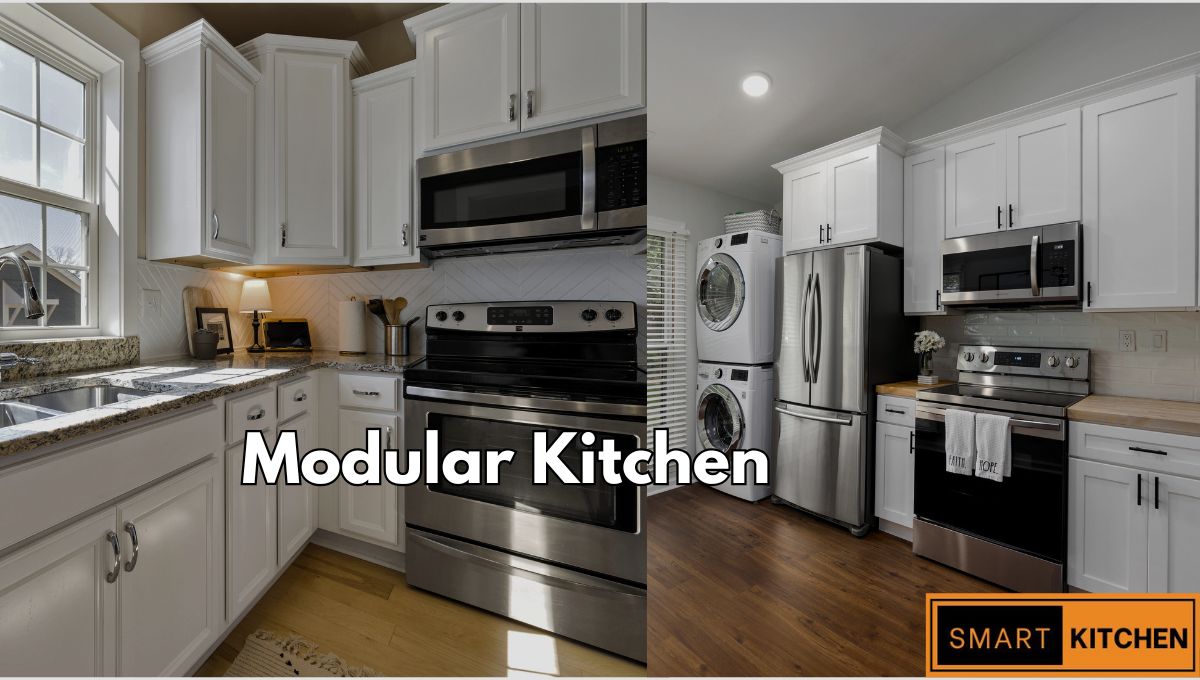
What Exactly is a Modular Kitchen? (It’s Smarter Than You Think)
Let’s break it down. A Modular Kitchen is a pre-fabricated kitchen system made up of individual modules or units. Think of it as building blocks for adults. These modules include base cabinets, wall cabinets, tall units, drawers, and accessories, all designed to fit together seamlessly to create a complete kitchen.
Unlike traditional carpenter-built kitchens, which are fixed to the walls and floor on-site, a Modular Kitchen is manufactured in a controlled factory environment. The components are then brought to your home and assembled like a perfectly planned puzzle. This method offers a level of precision, customization, and efficiency that traditional methods simply can’t match.
The core philosophy of a Modular Kitchen is to maximize every inch of available space while making the kitchen an ergonomic and delightful place to work in.
Why a Modular Kitchen is a Non-Negotiable Upgrade for Your Home
You might be wondering, “Is it really worth the investment?” The resounding answer is yes, and here’s why.
#1. Unbeatable Space Optimization & Storage Solutions
This is the single biggest win. A cluttered countertop is the enemy of a good cook. A Modular Kitchen is a masterclass in storage. With clever pull-out trays, corner carousels, tall units for appliances, and dedicated compartments for everything from spices to cutlery, you will finally have a place for everything. Say goodbye to digging through deep cabinets; every item is visible and accessible.
#2. Effortless Ergonomics & Workflow
Ever heard of the “Kitchen Work Triangle”? It’s the golden rule of kitchen design, connecting the three main work areas: the sink, the stove, and the refrigerator. A well-designed Modular Kitchen optimizes this triangle, minimizing unnecessary movement. The placement of cabinets, drawers, and countertops is planned to reduce bending, stretching, and straining, making cooking a comfortable and efficient activity.
#3. Aesthetic Appeal That Elevates Your Entire Home
Let’s be honest, we eat with our eyes first, and the same goes for our surroundings. A Modular Kitchen offers a cohesive, streamlined look that is incredibly pleasing. With a vast array of finishes, colors, laminates, and handles, you can create a kitchen that reflects your personal style—be it a sleek, minimalist modern look, a warm and rustic classic style, or a bold, industrial vibe. It becomes a showpiece, not just a utility room.
#4. Durability & Long-Lasting Quality
Factory manufacturing means the materials used—whether it’s food-grade PVC, marine ply, or premium laminates—are treated and finished to withstand the rigors of a kitchen environment. They are more resistant to moisture, termites, and wear-and-tear compared to traditional wood, ensuring your kitchen looks new for years to come.
#5. Surprisingly Easy Maintenance
Spilled some turmeric? No problem. The smooth, non-porous surfaces of Modular Kitchen shutters and countertops can be wiped clean with a damp cloth. No more scrubbing grimy, hard-to-reach corners. This hygienic advantage is a huge time-saver and contributes to a healthier cooking environment.
#6. Flexibility & Future-Proofing
Life changes, and your kitchen can too. One of the most underrated benefits of a Modular Kitchen is its flexibility. If you move to a new home, you can potentially disassemble and take your kitchen with you! You can also easily replace or upgrade individual modules if they get damaged or if you simply want a new look, without redoing the entire kitchen.
The Anatomy of a Dream Modular Kitchen: Key Components Explained
Understanding the parts will help you make informed choices.
- Carcass: This is the skeletal framework of the cabinet, usually made from marine ply or particle board. It’s the foundation, so quality here is paramount.
- Shutters: These are the doors and drawers fronts. This is where you express your style. Options include acrylic, laminate, PVC, wood veneers, and even glass.
- Hardware: The unsung heroes! Hinges, drawer channels, and handles. Do not compromise on quality here.Soft-close hinges and full-extension drawer channels are game-changers for daily use. I highly recommend looking for brands like Blum or Hettich for hardware that lasts a lifetime. You can explore their product ranges and find suppliers on Amazon to understand the quality and pricing.
- Countertops: The workhorse surface. Your options range from durable granite and quartz to modern sintered stone and practical laminates. Quartz, for instance, is non-porous, incredibly durable, and requires minimal maintenance. To get a feel for the beautiful patterns available, you can browse a collection of quartz samples and related products online.
- Accessories: This is where the magic of customization happens. Think pull-out pantries, cutlery organisers, basket drawers, wicker trays, and appliance garages. These accessories transform standard storage into intelligent storage. For instance, a simple rev-a-shelf pull-out organizer can double the usability of a deep cabinet. You can find a variety of these brilliant space-saving solutions on Home Depot’s website.
Finding Your Style: Popular Modular Kitchen Designs
What does your dream kitchen look like?
- The L-Shaped Kitchen: Ideal for most homes, it efficiently utilizes a corner and provides a great work triangle.
- The U-Shaped Kitchen: Offers maximum storage and counter space, perfect for those who love to cook and need ample room.
- The Parallel/Galley Kitchen: Great for narrow spaces, with cabinets and appliances on two opposite walls.
- The Island Kitchen: The ultimate social kitchen. A central island provides extra workspace, seating, and becomes a natural gathering spot. (If you have the space, just go for it!)
- The Open-Plan Kitchen: Blends seamlessly with the living and dining area, creating a spacious, social environment.
A Step-by-Step Guide to Getting Your Modular Kitchen
1. Dream & Research: Browse platforms like Pinterest and Instagram for inspiration. Save images that resonate with you. Create a mood board to define your style.
2. Measure & Budget: Get the exact measurements of your kitchen space. Be realistic about your budget, but remember, this is a long-term investment in your home and quality of life.
3. Find a Reliable Designer/Company: Don’t just go with the cheapest quote. Look for experienced professionals with a good portfolio. They will help you translate your dreams into a functional layout. Platforms like Houzz can be excellent for finding reputable kitchen designers in your area.
4. Finalize the Layout & Design: Work closely with your designer on the floor plan, the work triangle, storage needs, and the aesthetic details.
5. Material Selection: Choose your materials for the carcass, shutters, countertop, and hardware. This is where you balance cost, durability, and looks.
6. Manufacturing & Installation: The company will manufacture the modules. Once ready, a skilled installation team will assemble everything in your home, typically within a few days.
Your Kitchen, Your Rules: Personalizing the Experience
To make your Modular Kitchen truly yours, consider these personal touches:
- Lighting: Layer your lighting. Combine ambient (general ceiling lights), task (under-cabinet lights for countertops), and accent (inside glass cabinets) lighting to create mood and functionality. A simple LED Strip Light from Amazon installed under your wall cabinets can dramatically improve your countertop visibility and ambiance.
- Backsplash: A beautiful backsplash behind the stove and sink is your kitchen’s jewelry. It protects your walls and adds a massive style quotient. From classic subway tiles to modern Moroccan patterns, the choices are endless.
- Faucet & Sink: A stylish, high-arc faucet and a deep, stainless steel sink are worth the splurge. They improve functionality immensely. Look for a pull-down sprayer for added convenience. Brands like Kohler and Delta offer a wide range of reliable and stylish options that you can explore online.
Pros of a Modular Kitchen
- ✔ Maximum Space Utilization – Smart modules like pull-out drawers, corner units, and tall cabinets use every inch efficiently.
- ✔ Highly Customizable – Layouts, colors, materials, accessories, and finishes can be tailored to your lifestyle and taste.
- ✔ Quick & Clean Installation – Factory-made units reduce on-site mess and are installed within days.
- ✔ Modern & Premium Look – Creates a sleek, organized, and visually appealing kitchen that enhances home interiors.
- ✔ Ergonomic Design – Optimized work triangle reduces unnecessary movement, making cooking comfortable and efficient.
- ✔ Durable & Long-Lasting – Moisture-resistant materials, termite protection, and high-quality hardware ensure longevity.
- ✔ Easy Maintenance – Smooth, non-porous surfaces are easy to clean and hygienic.
- ✔ Future-Ready – Individual modules can be replaced, repaired, or upgraded without dismantling the entire kitchen.
- ✔ Boosts Property Value – A well-designed modular kitchen significantly increases resale appeal.
❌ Cons of a Modular Kitchen
- ✘ Higher Initial Cost – More expensive than traditional carpenter-made kitchens at the start.
- ✘ Limited On-Site Flexibility – Major changes after manufacturing can be difficult or costly.
- ✘ Quality Depends on Brand – Poor manufacturers may use low-grade boards or hardware.
- ✘ Requires Accurate Measurements – Any measurement error can delay installation.
- ✘ Not Fully DIY Friendly – Professional installation is necessary for best results.
- ✘ Repairs Can Be Costly – Replacing branded hardware or shutters may be expensive.
Modular Kitchen vs Traditional Kitchen
| Feature | Modular Kitchen | Traditional Kitchen |
|---|---|---|
| Construction | Factory-made modules | Built on-site by carpenter |
| Installation Time | 3–7 days | 20–45 days |
| Design Options | Highly customizable | Limited |
| Finish Quality | Consistent & precise | Depends on carpenter |
| Storage Efficiency | Excellent (smart accessories) | Basic storage |
| Maintenance | Easy | Moderate to difficult |
| Durability | High (moisture & termite resistant) | Moderate |
| Future Modifications | Easy (replace modules) | Difficult |
| Cost (Initial) | Medium to High | Low to Medium |
| Long-Term Value | Very High | Average |
🏡 Modular Kitchen Layout Comparison Table
| Layout Type | Best For | Key Advantage | Space Requirement |
|---|---|---|---|
| L-Shaped Kitchen | Small to medium homes | Efficient corner usage | Low |
| U-Shaped Kitchen | Large kitchens | Maximum storage & workspace | High |
| Parallel (Galley) | Narrow kitchens | High efficiency | Medium |
| Island Kitchen | Open-plan homes | Extra workspace & social hub | Very High |
| Open Kitchen | Modern apartments | Spacious & social feel | Medium to High |
Modular Kitchen Material Comparison Table
| Component | Budget Option | Premium Option | Best Use |
|---|---|---|---|
| Carcass | Particle board | Marine plywood | Structural strength |
| Shutters | Laminate | Acrylic / Veneer | Style & durability |
| Countertop | Granite | Quartz / Sintered stone | Daily cooking |
| Hardware | Standard hinges | Soft-close (Blum/Hettich) | Smooth operation |
| Accessories | Basic baskets | Pull-out organizers | Storage efficiency |
Expert Tip (Great Add-On Section)
If you’re on a tight budget, invest first in:
-
Strong carcass (marine ply)
-
High-quality hardware
You can always upgrade shutters and accessories later.
Conclusion: It’s More Than a Kitchen, It’s the Heart of Your Home
Investing in a well-designed Modular Kitchen is one of the most rewarding decisions you can make for your home. It pays you back every single day—in the time you save, the stress you avoid, and the joy you find in a space that works *for* you, not against you.
It transforms cooking from a chore into a creative pursuit and turns the kitchen from a solitary space into the vibrant, welcoming core of your family’s life. You don’t just need a new kitchen; you deserve the experience, efficiency, and elegance of a Modular Kitchen.
Ready to begin your journey? Start by envisioning your perfect space today.
Read More :- Is Your Dish Rack a Bacteria Haven? How to Pick a Best Hygienic Model in 2025?
Frequently Asked Questions (FAQ) About Modular Kitchens
Q1: Is a modular kitchen very expensive? How does it compare to a traditional carpenter-made kitchen?
A: While the initial cost of a Modular Kitchen can be higher, it offers far better value for money. Traditional kitchens often have hidden costs for material wastage, labor, and future repairs. A Modular Kitchen is a precision-engineered product with guaranteed quality, durability, and better after-sales service, making it a smarter long-term investment.
Q2: How long does it take to install a Modular Kitchen?
A: The manufacturing process usually takes 3-6 weeks, depending on the complexity and the company. The on-site installation, however, is remarkably fast and clean, typically completed in just 3-7 days.
Q3: Can I get a modular kitchen in a small space?
A: Absolutely! In fact, a Modular Kitchen is the best solution for a small kitchen. The entire design focuses on vertical storage and optimizing every nook and cranny, making a small space feel larger and infinitely more functional.
Q4: What materials are best for the cabinet shutters?
A:
- Laminate: Durable, scratch-resistant, and available in countless colors and patterns. A great all-rounder.
- Acrylic: Offers a high-gloss, modern finish that is very easy to clean.
- PVC: Similar to laminate but has better moisture resistance, making it suitable for humid climates.
- Plywood with Veneer: Provides a classic, warm wooden look but requires more maintenance.
Q5: Can I change the look of my modular kitchen later without replacing everything?
A: Yes, that’s one of its biggest advantages! You can easily replace just the shutter fronts and handles to give your entire kitchen a fresh, new look without changing the internal carcass, making it a cost-effective way to update your space.
Q6: How do I maintain and clean my Modular Kitchen?
A: It’s very simple. For daily cleaning, just use a soft cloth dampened with a mild detergent solution. Avoid using abrasive cleaners or scouring pads. For stubborn stains on laminates or acrylic, a little baking soda paste works wonders. Wipe dry for a streak-free shine.
Q7: Are Modular Kitchen safe from termites and moisture?
A: Yes, if you choose the right materials. High-quality Modular Kitchen use materials like marine ply (which is boil-proof) and PVC that are specifically treated to be termite and moisture-resistant, unlike traditional wood which is vulnerable.