Introduction: Why Low-Calorie Meals for Weight Loss on a Budget Are the Secret to Sustainable Success –
Are you tired of thinking that eating healthy requires a second mortgage? Do you believe the myth that low-calorie meals for weight loss on a budget simply don’t exist? It’s time to bust that misconception once and for all. The truth is, some of the most nutrient-dense, waistline-friendly foods are also the cheapest items in the grocery store.
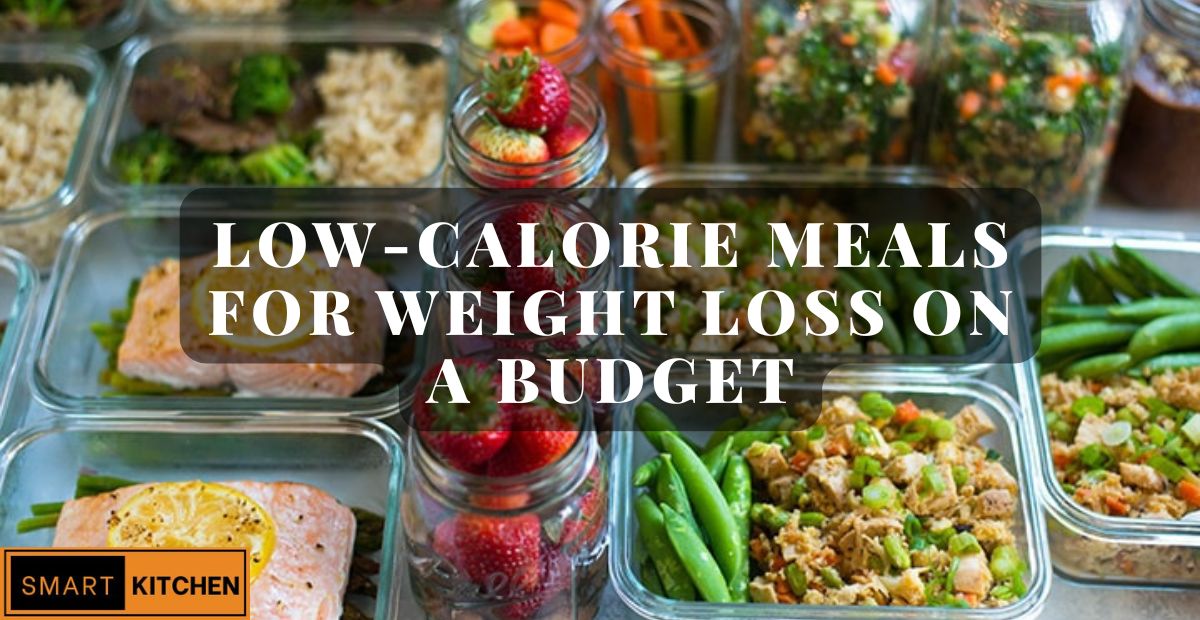
The weight loss industry wants you to believe you need expensive pre-packaged meals, exotic superfoods, and costly supplements to see results. Nothing could be further from the truth. Low-calorie meals for weight loss on a budget rely on simple, whole ingredients that have been nourishing people for centuries—beans, lentils, eggs, seasonal vegetables, and affordable grains.
According to the British Heart Foundation, a complete week of healthy, balanced meals can cost as little as £29 for one person when planned properly . That’s less than many people spend on takeout in a single weekend. The University of North Carolina at Chapel Hill confirms that budget-friendly healthy eating is achievable with basic ingredients, balanced nutrition, and minimal cooking time .
This comprehensive guide will show you exactly how to create delicious low-calorie meals for weight loss on a budget that will satisfy your taste buds, fuel your body, and leave money in your wallet. You’ll discover practical strategies, step-by-step recipes, and a complete meal plan that proves healthy eating can be both affordable and enjoyable.
Part 1: The Smart Spender’s Guide to Weight Loss Nutrition
Why Low-Calorie Meals for Weight Loss on a Budget Require a Different Mindset
When most people think about dieting, they imagine specialty health food stores, organic everything, and expensive protein powders. This mindset keeps weight loss feeling exclusive and expensive. The reality? Low-calorie meals for weight loss on a budget start with a fundamental shift in how you view food.
Sarah Mohrman, Registered Dietitian Nutritionist at Parkview Heart Institute, emphasizes that “delicious meals don’t have to cost more” . Her philosophy centers on simple ingredients, smart shopping, and strategic planning—approaches that make healthy eating accessible to everyone regardless of income.
The Economic Argument for Cooking at Home
Consider this: a single restaurant meal often costs $15-25 and contains double or triple the calories of a home-cooked portion. By preparing low-calorie meals for weight loss on a budget at home, you’re not just saving money—you’re gaining complete control over ingredients, portions, and nutritional content.
The Western Health Advantage reports that the average American family of four throws away approximately $1,500 worth of uneaten food annually . That’s money literally in the trash. When you master low-calorie meals for weight loss on a budget, you naturally become more mindful of food waste, stretching every dollar to its maximum potential.
Part 2: Essential Strategies for Creating Low-Calorie Meals for Weight Loss on a Budget
Strategy 1: Embrace Meatless Meals Multiple Times Weekly
Protein is typically the most expensive component of any meal. By incorporating meatless meals into your rotation, you dramatically reduce costs while often lowering calorie counts. Plant-based proteins like beans, lentils, and chickpeas cost pennies per serving while providing substantial fiber that keeps you feeling full longer .
Try this: Commit to two or three meatless dinners weekly. Dishes like black bean chili, lentil soup, or chickpea curry deliver hearty satisfaction at a fraction of meat’s cost.
Strategy 2: Master the Rotate and Repeat Method
Dr. Robert Kushner, a weight loss expert, reveals that most nutrition professionals repeat their favorite meals week after week . When you find low-calorie meals for weight loss on a budget that work for your family, stick with them. This repetition simplifies grocery shopping, reduces decision fatigue, and builds sustainable healthy habits.
Try this: Create a collection of 8-10 go-to recipes. Rotate through them, making small variations to prevent boredom while maintaining your budget-friendly foundation.
Strategy 3: Buy in Bulk and Utilize Your Freezer
The bulk aisle is your best friend when creating low-calorie meals for weight loss on a budget. Rice, oats, dried beans, and lentils cost significantly less when purchased in larger quantities . Your freezer serves as a preservation tool, allowing you to take advantage of sales and seasonal abundance year-round.
Try this: When you find a great deal on vegetables, chicken, or lean ground turkey, buy extra and freeze in meal-sized portions. This practice locks in savings and ensures you always have healthy ingredients available.
Strategy 4: Plan Around Overlapping Ingredients
Examine successful low-calorie meals for weight loss on a budget, and you’ll notice they share common ingredients. A single rotisserie chicken might appear in tacos one night, soup the next, and salad the following day. This approach minimizes waste and maximizes value .
Try this: When planning your weekly menu, select recipes that share core ingredients. If you buy a bag of spinach, use it in egg muffins, salads, and sautéed side dishes throughout the week.
Strategy 5: Cook Once, Eat Twice (or Thrice)
Batch cooking transforms low-calorie meals for weight loss on a budget from theoretical to practical. Spending a few hours on Sunday preparing components for the week ahead saves time, money, and willpower during busy weeknights .
Try this: Cook large batches of grains, roast multiple vegetable trays, and prepare protein in quantity. Mix and match these components throughout the week for variety without extra effort.
Part 3: 15 Delicious Low-Calorie Meals for Weight Loss on a Budget
#1. Breakfast Options (Under 300 Calories)
1. Egg Muffin Cups
The University of North Carolina at Chapel Hill recommends these protein-packed muffins as perfect grab-and-go breakfast options .
Ingredients: 8 eggs, 1 cup light shredded cheese, 1 cup chopped vegetables (peppers, onions, tomatoes), salt and pepper to taste.
Instructions: Whisk eggs with seasonings, stir in cheese and vegetables, pour into greased muffin tins, bake at 350°F for 18-22 minutes. Each muffin contains approximately 100 calories.
2. Oatmeal with Berries and Cinnamon
Old-fashioned oats cost pennies per serving and provide sustained energy throughout morning hours.
Ingredients: 1/2 cup rolled oats, 1 cup water or unsweetened almond milk, 1/2 cup frozen berries, 1/2 teaspoon cinnamon.
Instructions: Combine oats and liquid, cook according to package directions, top with berries and cinnamon. Approximately 250 calories.
3. Greek Yogurt Parfait
Plain Greek yogurt offers protein without added sugars found in flavored varieties.
Ingredients: 3/4 cup plain Greek yogurt, 1/2 cup mixed berries, 1 tablespoon chopped nuts or seeds.
Instructions: Layer yogurt and berries in a glass, top with nuts. Approximately 200 calories.
#2. Lunch Options (Under 400 Calories)
1. Mediterranean Lentil and Feta Bowls
Lentils are inexpensive, filling, and packed with protein and fiber .
Ingredients: 1 cup cooked lentils, 1/2 cucumber diced, 1/2 bell pepper chopped, 1 ounce feta cheese crumbled, 1 teaspoon olive oil, lemon juice to taste.
Instructions: Combine all ingredients, toss gently, and enjoy warm or cold. Approximately 350 calories.
2. Easy Plant-Based Burrito Bowls
This recipe from Parkview Health combines affordable ingredients into a satisfying lunch .
Ingredients: 90-second brown rice, 1/2 can black beans, 1/2 cup corn, salsa, 1 tablespoon chopped cilantro, lime juice.
Instructions: Heat beans and corn with chili powder and smoked paprika, serve over rice with salsa, cilantro, and lime. Approximately 375 calories.
3. Chickpea Salad Sandwich
Mashed chickpeas create a creamy, protein-rich filling that rivals traditional chicken or tuna salad.
Ingredients: 3/4 cup chickpeas mashed, 1 tablespoon Greek yogurt, 1 teaspoon mustard, diced celery and onion, whole grain bread.
Instructions: Mix mashed chickpeas with yogurt, mustard, and vegetables. Serve on bread with lettuce. Approximately 320 calories.
4. Zucchini Ribbon Salad
This beautiful salad feels much more ample than its caloric load would suggest .
Ingredients: 1 large zucchini, 1 tablespoon lemon juice, 1 teaspoon olive oil, fresh herbs, salt and pepper.
Instructions: Use a vegetable peeler to create zucchini ribbons, toss with lemon juice, oil, and herbs. Approximately 79 calories.
#3. Dinner Options (Under 500 Calories)
1. Chicken Noodle Soup
This comforting soup stores well and provides balanced nutrition at minimal cost .
Ingredients: 1-2 chicken breasts, 1 bag frozen mixed vegetables, 1 box chicken broth, 1 cup pasta or egg noodles.
Instructions: Bring broth to boil, add chicken and simmer until cooked. Remove chicken, shred, and return to pot. Add vegetables and noodles, cook until tender. Approximately 350 calories per serving.
2. The $1 Healthy Rice Bowl
Chef Joshua Weissman created this gourmet bowl for approximately one dollar per serving .
Ingredients: Rice, chicken thighs, soy sauce, honey, vegetables, peanut sauce ingredients.
Instructions: Prepare rice, glaze and cook chicken, assemble with vegetables, egg, and peanut sauce. Approximately 450 calories.
3. One-Pan Coconut Dhal
This creamy plant-based curry uses affordable lentils and pantry spices .
Ingredients: Red lentils, coconut milk, onion, garlic, curry spices, spinach.
Instructions: Sauté aromatics, add lentils and coconut milk, simmer until tender, stir in spinach. Approximately 375 calories.
4. Black Bean and Sweet Potato Chili
This hearty chili delivers fiber, flavor, and satisfaction .
Ingredients: Black beans, sweet potatoes, diced tomatoes, onion, chili spices.
Instructions: Sauté onion, add remaining ingredients, simmer until sweet potatoes are tender. Approximately 325 calories.
5. Vegetable Stir-Fry with Tofu
Frozen vegetables make this stir-fry both affordable and convenient .
Ingredients: Block of firm tofu, bag of frozen stir-fry vegetables, soy sauce, ginger, garlic, brown rice.
Instructions: Press and cube tofu, stir-fry until golden, add vegetables and sauce, serve over rice. Approximately 375 calories.
6. Italian Broccoli and Pasta
This meatless meal costs pennies per serving while delivering authentic Italian flavor .
Ingredients: Whole grain pasta, broccoli, diced tomatoes, garlic, Parmesan cheese.
Instructions: Cook pasta, sauté broccoli and garlic, add tomatoes, combine with pasta, top with Parmesan. Approximately 350 calories.
7. Veggie Quesadillas
Customize these quesadillas with whatever vegetables you have on hand .
Ingredients: Whole wheat tortillas, low-fat cheddar cheese, mixed vegetables (zucchini, bell peppers, onions, carrots), salsa.
Instructions: Sauté vegetables, place between tortillas with cheese, cook until golden and melted. Approximately 375 calories.
8. Healthy Steak Stir-Fry
A small amount of beef goes a long way when paired with plenty of vegetables .
Ingredients: 4 ounces flank steak, broccoli, mushrooms, bell peppers, ginger, garlic, soy sauce.
Instructions: Slice beef thinly, stir-fry quickly, remove from pan. Cook vegetables, return beef to pan, add sauce. Approximately 325 calories.
Part 4: Complete 7-Day Low-Calorie Meals for Weight Loss on a Budget Plan
Full Grocery List (Approximately $60-70 for One Person)
Produce:
-
Onions (3 medium)
-
Garlic (1 head)
-
Bell peppers (2)
-
Cucumber (1)
-
Sweet potatoes (2)
-
Fresh spinach (1 bag)
-
Lemons (2)
-
Seasonal fruit for snacks
Protein:
-
Eggs (1 dozen)
-
Chicken breasts (2-3)
-
Firm tofu (1 block)
-
Canned tuna (2 cans)
Pantry:
-
Dried lentils (1 bag)
-
Canned black beans (2 cans)
-
Canned chickpeas (1 can)
-
Diced tomatoes (2 cans)
-
Brown rice
-
Whole grain pasta
-
Rolled oats
-
Chicken or vegetable broth
Dairy/Alternatives:
-
Greek yogurt
-
Feta cheese
-
Low-fat shredded cheese
-
Unsweetened almond milk
Frozen:
-
Mixed vegetables
-
Frozen berries
Monday
Breakfast: Egg muffin cups
Lunch: Chickpea salad sandwich
Dinner: Black bean and sweet potato chili
Tuesday
Breakfast: Greek yogurt parfait
Lunch: Leftover chili
Dinner: Chicken noodle soup
Wednesday
Breakfast: Oatmeal with berries
Lunch: Mediterranean lentil bowl
Dinner: Vegetable stir-fry with tofu
Thursday
Breakfast: Egg muffin cups
Lunch: Leftover lentil bowl
Dinner: One-pan coconut dhal
Friday
Breakfast: Greek yogurt parfait
Lunch: Tuna salad on greens
Dinner: Healthy steak stir-fry with vegetables
Saturday
Breakfast: Oatmeal with berries
Lunch: Burrito bowl with black beans
Dinner: Veggie quesadillas
Sunday
Breakfast: Scrambled eggs with spinach
Lunch: Leftover quesadillas
Dinner: Prep meals for upcoming week
Part 5: Kitchen Tools That Make Low-Calorie Meals for Weight Loss on a Budget Easier
While you don’t need expensive equipment to create healthy meals, a few affordable tools can streamline your cooking process and expand your recipe options.
Essential Tools
1. Vegetable Spiralizer
Transform zucchini into “zoodles” for low-calorie pasta alternatives. This simple tool pays for itself after one use compared to buying pre-spiralized vegetables .
2. Muffin Tin
Essential for egg muffin cups and portion-controlled baked goods .
3. Good Knife and Cutting Board
Proper prep tools make vegetable preparation faster and more enjoyable.
4. Rice Cooker
Perfect for foolproof grains while you focus on other meal components .
Investment Pieces (Under $50)
5. Instant Pot or Pressure Cooker
Drastically reduces cooking time for dried beans, lentils, and tough cuts of meat . The Instant Pot Duo is affordable and versatile.
6. Food Scale
Ensures accurate portion control for weight loss success.
7. Glass Meal Prep Containers
Keep prepared low-calorie meals for weight loss on a budget fresh throughout the week .
Check out our recommended kitchen starter kit on Amazon.
Part 6: Pros and Cons of Low-Calorie Meals for Weight Loss on a Budget
Pros
Financial Freedom
The most obvious advantage is cost savings. By focusing on low-calorie meals for weight loss on a budget, you’ll dramatically reduce your monthly food expenditure. The British Heart Foundation demonstrates that healthy eating costs approximately £29 per week per person—far less than the average takeout habit .
Nutrient Density
Budget-friendly ingredients like beans, lentils, and seasonal vegetables rank among the most nutrient-dense foods available. You’re not sacrificing nutrition for savings—you’re actually gaining nutritional value.
Portion Control
When you prepare low-calorie meals for weight loss on a budget at home, you control portion sizes completely. Restaurant meals often contain two to three times the appropriate serving size.
Skill Development
Cooking from scratch builds valuable skills that serve you for a lifetime. You’ll become more confident in the kitchen and less dependent on processed convenience foods.
Sustainability
Plant-forward eating, a cornerstone of budget-friendly cooking, has a lower environmental impact than meat-heavy diets.
Cons
Time Investment
Preparing low-calorie meals for weight loss on a budget requires more time than grabbing takeout or heating frozen dinners. Meal planning, grocery shopping, and cooking all demand hours each week.
Initial Learning Curve
If you’re new to cooking, expect a learning period. You’ll make mistakes, ruin some dishes, and occasionally waste ingredients. This is normal and part of the process.
Limited Convenience
While leftovers provide some convenience, you won’t have the instant gratification of restaurant delivery. You must plan ahead to succeed.
Social Challenges
Dining out with friends becomes more complicated when you’re committed to budget-friendly home cooking. You may need to suggest alternative social activities or plan for restaurant meals in your budget.
Repetition Risk
Following the rotate-and-repeat method can sometimes feel monotonous. You’ll need creativity to keep meals interesting long-term.
Part 7: Comparison Table—Popular Budget-Friendly Diet Approaches
| Approach | Weekly Grocery Cost (1 person) | Avg. Daily Calories | Prep Time Required | Best For | Potential Drawbacks |
|---|---|---|---|---|---|
| Mediterranean Budget Plan | $40-50 | 1,500-1,800 | Medium | Heart health, flavor variety | Requires fresh produce |
| Plant-Based Budget Plan | $35-45 | 1,400-1,700 | Medium | Fiber intake, low environmental impact | May lack familiar proteins |
| Rotate & Repeat Method | $45-55 | 1,500-1,900 | Low (after setup) | Busy schedules, routine lovers | Potential boredom |
| One-Pan Meal Plan | $50-60 | 1,400-1,800 | Low | Minimal cleanup, beginners | Less variety |
| Very Hungry Greek Plan | $55-65 | 1,500-2,000 | Low-Medium | Flavor seekers, variety lovers | Slightly higher cost |
| Traditional Budget Plan | $35-45 (approx. £29) | 1,500 | Medium | Strict budget, UK shoppers | Regional availability |
Part 8: Expert Tips for Maximizing Low-Calorie Meals for Weight Loss on a Budget
Shop Your Pantry First
Before heading to the store, take inventory of what you already have. Build your meal plan around existing ingredients to prevent waste and unnecessary purchases .
Compare Unit Pricing
Larger packages aren’t always cheaper. Check unit prices (price per ounce or pound) to ensure you’re genuinely saving money .
Use Less Meat Than Recipes Call For
Most recipes overestimate meat requirements. Reduce meat by 25-50% and bulk up meals with vegetables, beans, or mushrooms. Your wallet and waistline will benefit .
Avoid Convenience Items
Pre-shredded cheese, pre-cut vegetables, and individual snack packages cost significantly more than their whole counterparts. Invest a few minutes in preparation to save substantially .
Shop Online for Grocery Pickup
Shopping online prevents impulse purchases triggered by in-store displays. You’ll stick to your list and avoid unplanned spending .
Store Produce Properly
Extend the life of your vegetables with proper storage. Wrap herbs in damp paper towels, keep greens in crisper drawers, and store ethylene-producing fruits separately .
Save Vegetable Scraps for Broth
Keep a freezer bag for vegetable scraps—onion ends, carrot peels, celery tops. When full, simmer with water to create free, flavorful broth .
Embrace Leftovers as Salad Toppers
Dr. Robert Kushner recommends reinventing leftovers by using them as salad toppings. That leftover chicken, fish, or even chopped pizza transforms a simple salad into a satisfying meal .
Read More :- The Ultimate Guide to the Best Health Supplements in India
Part 9: Frequently Asked Questions About Low-Calorie Meals for Weight Loss on a Budget
Q1: Can I really lose weight eating budget-friendly foods?
A: Absolutely. Weight loss depends on creating a calorie deficit, not on food cost. In fact, many affordable whole foods—beans, lentils, vegetables, eggs—are perfectly suited for weight loss because they provide high satiety for relatively few calories .
Q2: How much can I expect to spend weekly on low-calorie meals for weight loss on a budget?
A: According to the British Heart Foundation, a complete week of healthy meals costs approximately £29 (about $35-40) per person . In the United States, Western Health Advantage demonstrates that $100 can feed a family of four for a week with proper planning .
Q3: Are frozen vegetables as nutritious as fresh?
A: Yes, often more so. Frozen vegetables are typically flash-frozen at peak ripeness, preserving their nutrient content. They’re also cheaper and reduce waste since you use only what you need .
Q4: How do I avoid getting bored with low-calorie meals for weight loss on a budget?
A: Use the theme-based meal approach recommended by Dr. Robert Kushner. Designate taco night, stir-fry night, soup night, and bowl night. Each theme allows infinite variations while maintaining a familiar framework .
Q5: What are the most cost-effective proteins for weight loss?
A: Lentils, beans, chickpeas, eggs, and canned tuna offer the best protein-to-cost ratio. Chicken thighs (bone-in, skin-on) cost less than breasts and provide more flavor .
Q6: Can I eat out occasionally while following this approach?
A: Yes. Budget for one or two restaurant meals weekly. When dining out, immediately portion half your meal for leftovers—you’ll save calories and create another meal .
Q7: How do I handle cravings for unhealthy food?
A: Build small indulgences into your plan. The 100-calorie snack ideas from AOL demonstrate that treats like black bean brownies or key lime pudding can satisfy cravings without derailing progress .
Q8: What’s the single most important tip for success?
A: Plan ahead. Every expert source emphasizes that planning separates successful budget dieters from those who struggle. Review your schedule, plan meals, shop with a list, and prepare components in advance .
Q9: Are low-calorie meals for weight loss on a budget suitable for families?
A: Yes, and involving family members in planning and preparation increases buy-in. The Five Dinners program demonstrates that personalized family meal planning improves nutrition for everyone .
Q10: How do I start if I have no cooking experience?
A: Begin with simple recipes featuring five ingredients or fewer. Egg muffin cups , burrito bowls , and one-pan pasta dishes offer forgiving entry points for beginners.
Part 10: Your Action Plan for Low-Calorie Meals for Weight Loss on a Budget
Week 1: Foundation Building
-
Clean out pantry and refrigerator
-
Take inventory of existing ingredients
-
Plan 3-4 meals for the week (don’t overwhelm yourself)
-
Shop with a written list
-
Prepare one batch of something for future meals
Week 2: Expansion
-
Try one new recipe from this guide
-
Implement the rotate-and-repeat method
-
Start a vegetable scrap bag for broth
-
Practice proper food storage techniques
Week 3: Optimization
-
Compare unit prices at your grocery store
-
Visit a bulk food section
-
Try a meatless day
-
Freeze one meal for future use
Week 4: Mastery
-
Create your personal recipe rotation
-
Calculate your weekly food costs
-
Share your success with one friend
-
Teach someone else one budget-friendly recipe
Conclusion: Your Journey to Health and Wealth Starts Today
The myth that healthy eating requires significant financial investment has kept countless people from achieving their weight loss goals. You now know the truth: low-calorie meals for weight loss on a budget aren’t just possible—they’re practical, delicious, and sustainable.
By embracing simple ingredients, strategic planning, and home cooking, you’ll transform not just your body but your relationship with food. The money you save becomes a powerful motivator, reinforcing healthy choices and building momentum toward lasting change.
Start small. Choose one recipe from this guide and prepare it this week. Experience the satisfaction of creating something nutritious and delicious for a fraction of takeout cost. Let that success fuel your next step, and the next, until budget-friendly healthy eating becomes second nature.
Your wallet will thank you. Your waistline will thank you. And your future self will thank you for building habits that serve a lifetime.
Ready to transform your eating habits? Check out our recommended products below to make your journey even easier.
Top-rated meal prep containers for weekly planning
Best-selling vegetable spiralizer for low-calorie pasta alternatives
Complete budget-friendly cookbook collection