Copper Kitchenware India is not just a trend; it’s a timeless tradition woven into the very fabric of Indian households for centuries. From the gleaming bartans (utensils) in our grandmothers’ kitchens to the chic, modern pieces adorning contemporary urban homes, copper holds a revered place. But why has this metal stood the test of time? Is it merely for its stunning, warm glow, or is there a deeper, more compelling reason to invite Copper Kitchenware India into your culinary space? This definitive guide will explore the profound benefits, the rich heritage, and the practical know-how of choosing and using authentic Copper Kitchenware India, convincing you why your kitchen is incomplete without it.

Why Copper? The Science and Tradition Behind the Shine
For generations, Ayurveda, India’s ancient system of medicine, has championed the use of copper. It is considered a Panchadhatu (one of the five essential metals) and is believed to have incredible health properties. Storing water in a copper vessel overnight and consuming it first thing in the morning (Tamra Jal) is a practice prescribed for its ability to balance the three doshas (Vata, Pitta, and Kapha), aid digestion, and purify the body.
Scientifically, copper is an essential trace mineral crucial for various bodily functions. It helps form red blood cells, maintains nerve cells, and supports the immune system. While we get copper from our diet, the gentle, ionized release from Copper Kitchenware India provides a natural supplement. Furthermore, copper is oligodynamic, meaning it has a natural antimicrobial effect, killing harmful bacteria and making it a supremely hygienic choice for cookware and drinkware.
The Unbeatable Benefits of Choosing Copper Kitchenware India
Investing in Copper Kitchenware India is an investment in your health, your cooking, and your home’s aesthetic. Here’s a detailed look at what you gain:
-
Superior Heat Conductivity: Copper is one of the best conductors of heat on the planet. Unlike stainless steel or iron, it heats up rapidly and distributes heat with unparalleled evenness. This eliminates hot spots, ensuring your food cooks uniformly. Whether you’re making a delicate sauce that requires precise temperature control or searing meats to perfection, Copper Kitchenware India gives you master-level control.
-
Enhanced Culinary Results: The even heat distribution directly translates to better cooking. Your biryanis will have a perfectly cooked bottom layer, your milk will not scorch, and your tempering (tadka) will release its flavors perfectly into the dish. For professional chefs and home cooks alike, this is a game-changer.
-
Time-Honored Health Benefits: As mentioned, the health benefits are profound. Cooking and storing food in copper utensils can contribute to your daily mineral intake. The practice of drinking Copper water bottle India is linked to improved digestion, slower ageing, and better cardiovascular health.
-
Durability and Longevity: High-quality, pure Copper Kitchenware India is incredibly durable. When cared for properly, these pieces are not just for a season or a year; they are heirlooms that can be passed down through generations. The solid, substantial feel of a copper kadai or saucepan is a testament to its lasting quality.
-
Aesthetic Elegance: There’s no denying the sheer beauty of copper. Its rich, rose-gold hue adds a touch of warmth and luxury to any kitchen decor. From rustic to modern minimalist, a well-placed copper utensil serves as a stunning piece of functional art.
A Buyer’s Guide: How to Choose Authentic Copper Kitchenware India
The market is flooded with options, but not all are created equal. Here’s how to ensure you’re bringing home the real deal:
-
Look for Pure Copper: Always check for 100% pure copper or close to it (e.g., 99.9%). Many cheaper alternatives are copper-coated or made from alloys. Pure copper is heavy and has a distinct, deep reddish-brown color.
-
Check the Lining: Pure copper should not be used directly for cooking acidic foods as it can react and cause toxicity. Traditional and authentic Copper Kitchenware India comes lined with another metal. The most common and revered linings are:
-
Tin (Kalai): This is the traditional lining. It is safe, non-stick, and perfect for all types of cooking. However, it wears off over time and requires re-tinning every few years.
-
Stainless Steel: A more modern and durable lining, stainless steel doesn’t react with food and doesn’t require re-lining. It’s a low-maintenance option for everyday use.
-
-
Craftsmanship Matters: India is home to incredible artisan communities. Look for hand-hammered pieces, which not only add to the aesthetic but also strengthen the metal. Brands that support local artisans often produce superior quality products.
-
Weight and Feel: Authentic copper is substantial. If a piece feels light or flimsy, it’s likely not pure copper.
To explore a curated collection of authentic, pure copper utensils handcrafted by Indian artisans, you can browse this exclusive range of Copper Kitchenware India.
Caring for Your Copper Kitchenware India: Preservation is Key
The beautiful patina that copper develops over time is loved by many, but if you wish to maintain its brilliant shine, a little care is needed.
-
For Shining: A simple homemade paste of lemon juice and salt or vinegar and flour works wonders. Gently rub it on the exterior, let it sit for a few minutes, and rinse. For tougher stains, specialized copper cleaners are available.
-
For the Lining: If you have a tin-lined utensil, avoid using high heat and metal spatulas to preserve the lining. Never put a tin-lined copper pot in a dishwasher.
-
For Storage: Ensure your copperware is completely dry before storing it to prevent water spots and premature tarnishing.
Must-Have Pieces for Your Kitchen
Ready to build your collection? Here are the essential pieces of Copper Kitchenware India you should consider:
#1. Copper Water Bottle (& Pot): The quintessential starter piece. Perfect for creating Tamra Jal and ensuring you start your day with energized, purified water.
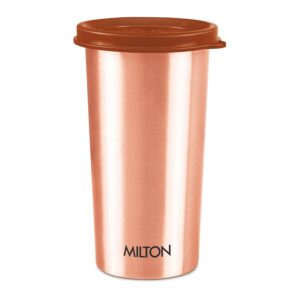
#2. Copper Kadai: The workhorse of Indian cooking. Ideal for frying, making curries, sautéing vegetables, and so much more. An unlined copper kadai (for water-based cooking) or a lined one is a versatile addition.
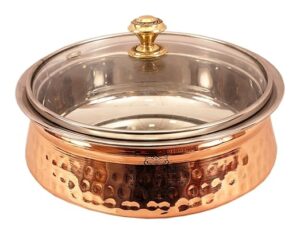
#3. Copper Saucepan: Perfect for boiling milk, making rice, heating soups, and preparing gravies. Its excellent heat conductivity prevents milk from boiling over and sticking.
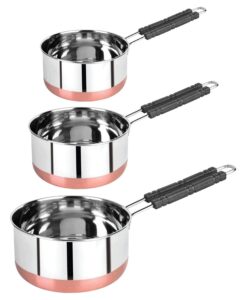
#4. Copper Thali (Pooja Thali): While used in worship, a copper thali is also a beautiful and hygienic way to serve meals, especially during festivals.
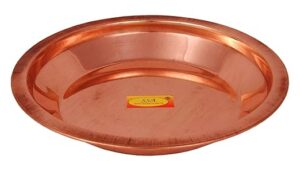
#5. Copper Tumblers & Glasses: Drinking water or beverages from copper glasses is believed to continue the health benefits throughout the day.
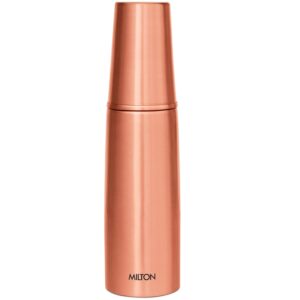
To find these essential pieces and more, from water bottles to full cookware sets, check out this handpicked selection of the Best Copper Kitchenware India has to offer.
Pros and Cons of Investing in Copper Kitchenware India
While the benefits of copper kitchenware India are substantial, it’s important to have a balanced perspective to make an informed decision. Here’s a straightforward look at the advantages and challenges.
Pros:
-
Exceptional Heat Conductivity: Heats up faster and distributes heat more evenly than almost any other material, providing superior cooking control.
-
Proven Health & Ayurvedic Benefits: Supports mineral intake, has natural antimicrobial properties, and aligns with time-tested wellness practices like drinking Tamra Jal.
-
Unmatched Durability: When cared for properly, high-quality pure copper can last for generations, becoming a family heirloom.
-
Superior Cooking Results: Eliminates hot spots, allowing for perfectly cooked dishes, delicate sauces, and ideal tempering.
-
Stunning Aesthetic Appeal: Adds a touch of timeless elegance, warmth, and luxury to any kitchen decor.
-
Hygienic & Natural: The oligodynamic effect naturally inhibits the growth of bacteria, making it a clean choice.
Cons:
-
High Maintenance Required: Requires regular polishing to maintain its shine and, if tin-lined, periodic re-tinning (kalai) by a specialist.
-
Higher Initial Cost: Authentic, handcrafted copper cookware is a significant investment compared to mass-produced alternatives.
-
Reactive Nature: Unlined copper can react with acidic foods, which is why reliable lining (tin or stainless steel) is mandatory for cooking.
-
Weight: Pure copper utensils are substantially heavier than aluminum or stainless steel, which can be a consideration for some users.
-
Not Induction-Compatible: Pure copper does not work on induction cooktops unless it has a specially designed magnetic base cladding.
-
Careful Handling Needed: Metal utensils can damage tin linings, and harsh abrasives can mar the beautiful exterior.
Copper vs. Other Cookware: A Detailed Comparison
Conclusion: More Than Just Cookware, A Legacy
Choosing Copper Kitchenware India is a conscious decision to connect with a rich cultural heritage while making a smart choice for your family’s health and your culinary passion. It’s a move away from disposable, non-stick cookware with a limited lifespan towards something enduring, beautiful, and beneficial. The initial investment pays for itself a hundred times over in the form of exquisite meals, improved well-being, and a kitchen filled with objects of timeless beauty. Don’t just cook; create, nourish, and tradition with every meal. Embrace the legacy of Copper Kitchenware India today.
Read More :- Top 5 Best Gas Stoves in India (2025): Ultimate Buying Guide & Reviews
Frequently Asked Questions (FAQ) About Copper Kitchenware India
Q1: Is it safe to cook all types of food in copper utensils?
A: Yes, but with one crucial caveat. Pure, unlined copper should not be used for cooking acidic foods (like tomatoes, citrus, vinegar) as the acid can react with the metal. Always use copper cookware that has a lining. Traditional tin (kalai) or modern stainless steel linings create a safe barrier, making it perfectly safe for all types of cooking.
Q2: What is the ‘Kalai’ or lining, and why is it needed?
A: Kalai is the process of lining the inner surface of copper utensils with a layer of tin (or sometimes stainless steel). It is essential because it prevents copper from directly reacting with food, especially acidic ingredients, which can lead to copper toxicity. It also provides a non-stick surface for easier cooking and cleaning.
Q3: How often does the tin lining (Kalai) need to be re-done?
A: The frequency depends on usage. With moderate use, a tin lining can last 2-5 years. Signs that you need re-tinning include the lining wearing off and exposing the copper beneath or food starting to stick and burn easily. Re-tinning is a specialized job done by local artisans (kalaiwalas).
Q4: Can I use my copper kadai on an induction cooktop?
A: Pure copper is not magnetic and will not work on an induction cooktop. However, many modern manufacturers create copper cookware with a magnetic stainless steel base or cladding, making them induction-compatible. Always check the product specifications before purchasing if you have an induction stove.
Q5: How do I clean and maintain the shiny look of my copperware?
A: For regular cleaning, use a soft cloth and mild dish soap. To restore the shine, make a paste of lemon juice and salt or equal parts vinegar and flour. Apply, let it sit for 15-30 minutes, then rinse and dry thoroughly. There are also excellent commercial copper cleaners available.
Q6: Why is Copper Kitchenware from India considered special?
A: Copper Kitchenware India is special because it represents a centuries-old craft. Indian artisans possess unparalleled skill in hand-hammering, molding, and lining copper. The pieces are often made with a focus on purity and traditional techniques, supported by the wisdom of Ayurveda, making them more than just utensils but carriers of cultural and health heritage.