The age-old breakfast debate, a classic culinary crossroad: Boiled Egg vs Omelette Which is Better ? It’s a question that divides kitchens and nutrition plans worldwide. The truth is, declaring one an outright winner is impossible, because the “better” choice depends entirely on your goals: Are you seeking sheer convenience, maximum protein punch, culinary creativity, or specific health outcomes? This definitive guide will crack open the facts, whisk through the details, and help you decide which egg preparation truly deserves a spot on your plate.
The Core of the Matter: Understanding the Basics
Before we dive into the battle, let’s understand our contenders.
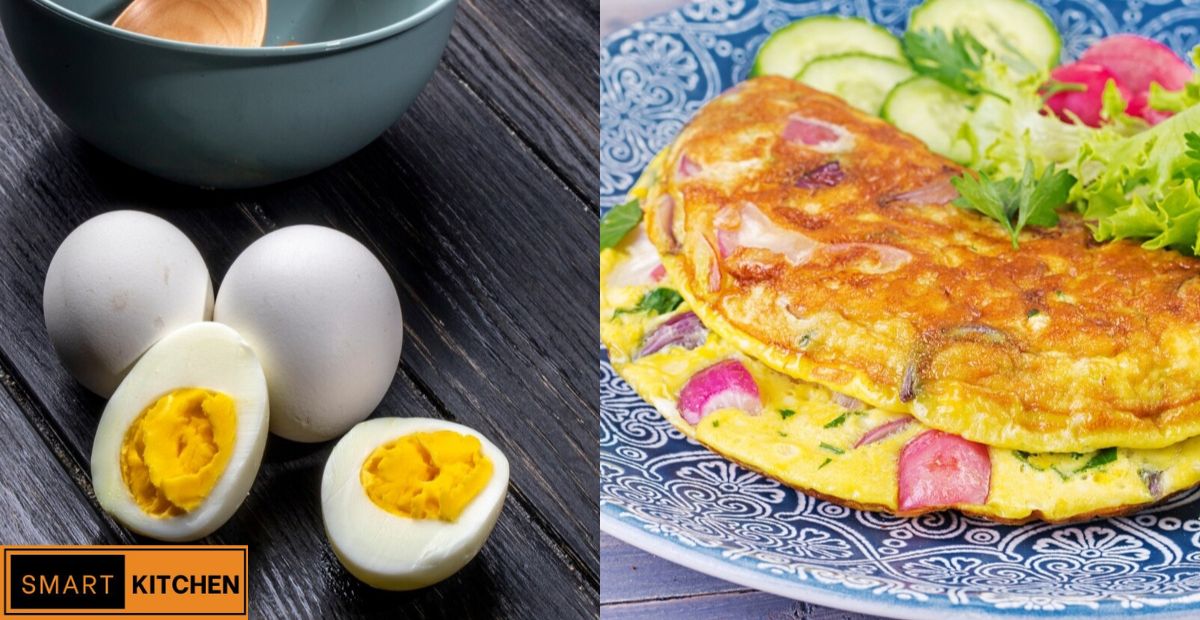
A boiled egg is simplicity incarnate. An egg, in its shell, cooked in simmering water. Its structure remains intact, offering a clear division between white and yolk. It’s portable, neat (when peeled correctly!), and pure.
An omelette is the canvas of the egg world. Beaten eggs are cooked in a pan, often with the addition of fillings like cheese, vegetables, meats, and herbs. It’s a dish of fusion, where the egg becomes a vehicle for other flavors and nutrients.
Nutritional Face-Off: A Detailed Breakdown
At their core, both start with the same nutritional powerhouse: the incredible egg. One large egg offers about 6-7 grams of high-quality protein, 5 grams of healthy fats, and a wealth of vitamins (A, D, E, B12) and minerals (Choline, Selenium). The divergence happens in the cooking method and additions.
Boiled Egg Nutrition (Large):
-
Calories: ~78
-
Protein: ~6.3g
-
Fat: ~5.3g
-
Carbs: ~0.6g
-
Key: No added fats or ingredients. Nutrition is solely from the egg.
Omelette Nutrition (2-egg plain, no fillings, cooked in 1 tsp butter/oil):
-
Calories: ~180-200
-
Protein: ~12-14g
-
Fat: ~14-16g
-
Carbs: ~1g
-
Key: Higher calories and fat due to cooking fat and second egg. Protein content doubles.
The Game-Changer: Fillings. This is where the omelette’s profile can skyrocket or become a superfood. Add a cup of spinach, some mushrooms, and a sprinkle of feta, and you’ve added fiber, vitamins, and minerals with a modest calorie increase. Add cheese, bacon, and hash browns, and the calorie, saturated fat, and sodium content climbs significantly.
Boiled Egg vs Omelette: The Pros and Cons
To visualize the fundamental trade-offs, let’s look at the inherent advantages and disadvantages of each.
Boiled Egg: Pros and Cons
| Pros | Cons |
|---|---|
| Maximum Convenience: Can be boiled in batches for the week. Grab-and-go. | Perceived Blandness: Can be seen as boring without seasoning. |
| Portability: The original zero-mess, portable protein. | Texture Issues: Some dislike the rubbery white or chalky yolk of hard-boils. |
| Calorie Control: No added fats. Easiest for strict calorie counting. | Limited Versatility: It is what it is. Fewer flavor profile changes. |
| Nutrient Retention: Minimal nutrient loss in cooking; yolk nutrients preserved. | Prep Nuance: Peeling can be frustrating; achieving perfect doneness requires timing. |
| Satiety: The intact structure can feel more substantial, curbing hunger. |
Omelette: Pros and Cons
| Pros | Cons |
|---|---|
| Culinary Versatility: Endless flavor combinations with veggies, cheeses, meats. | Requires Cooking: Needs active prep, a pan, and stovetop. Not grab-and-go. |
| Nutrient Amplification: Can pack in extra veggies, boosting fiber and micronutrients. | Calorie Variability: Easy to accidentally add high-calorie ingredients. |
| Higher Protein: Typically uses 2-3 eggs, doubling the protein per serving. | Added Fats: Requires oil or butter to cook, adding calories. |
| Superior Texture & Taste: Fluffy, creamy, and packed with flavor. | Skill-Dependent: Making the perfect, non-stick, folded omelette takes practice. |
| Meal Integration: Easily serves as a complete meal in one pan. |
Head-to-Head Comparison Table
| Feature | Boiled Egg | Omelette | The Verdict |
|---|---|---|---|
| Preparation Speed | Winner: Hands-off boiling, batch-friendly. | Active, single-serve cooking. | Boiled Egg for pure speed & ease. |
| Nutritional Control | Winner: Precise, no hidden variables. | Depends on added ingredients. | Boiled Egg for strict tracking. |
| Protein Per Serving | ~6g per egg. | Winner: ~12-21g (2-3 eggs). | Omelette for max protein intake. |
| Satiety & Volume | Good satiety. | Winner: More volume & fiber (with veggies). | Omelette for feeling fuller longer. |
| Versatility | Limited. | Winner: Infinite flavor profiles. | Omelette for culinary enjoyment. |
| Portability | Winner: The ultimate portable snack. | Best eaten immediately off the pan. | Boiled Egg for on-the-road life. |
| Skill Required | Minimal (timing water). | Moderate (flipping, filling). | Boiled Egg for absolute beginners. |
| Diet Flexibility | Fits Keto, Paleo, Whole30, low-carb. | Winner: Easily adapts to all diets. | Omelette for customizable diets. |
So, Boiled Egg vs Omelette Which is Better? Deciding Based on Your Goal
-
For Weight Loss & Calorie Control: Boiled eggs often have the edge. The zero-added-fat cooking and unambiguous calorie count make them a dieter’s best friend. Hard-boiled eggs are a staple for a reason.
-
For Muscle Building & High Protein: Omelettes win. Using multiple eggs is easier, and adding lean meats like chicken or turkey breast can create a 30+ gram protein powerhouse meal to fuel recovery.
-
For Busy Lifestyles & Meal Prep: Boiled eggs are the undisputed champion. Spending 15 minutes on Sunday to boil a dozen eggs sets you up with a perfect snack or salad topper for the entire week.
-
For Nutrient Density & Veggie Intake: Omelettes triumph. This is your chance to sauté spinach, bell peppers, onions, and tomatoes into a delicious, fiber-rich meal that covers multiple food groups.
-
For Taste & Culinary Satisfaction: Omelettes take the crown. The texture, the melt-in-your-mouth cheese, the savory fillings—it’s a complete, satisfying eating experience that a plain boiled egg struggles to match.
How to Make the Perfect Contender
The Flawless Hard-Boiled Egg:
-
Place eggs in a single layer in a pot. Cover with cold water by 1 inch.
-
Bring to a full rolling boil over high heat.
-
Immediately remove from heat, cover, and let sit for 10-12 minutes.
-
Transfer to an ice bath for at least 5 minutes to stop cooking and ease peeling.
Pro Tip: For easier peeling, use slightly older eggs and crack the shell all over before peeling under running water. For a perfect soft-boil, follow the same steps but let them sit in the hot water for only 6-7 minutes.
The Classic Fluffy Omelette:
-
Beat 2-3 eggs with a pinch of salt and pepper until uniform.
-
Heat a non-stick pan over medium heat with 1 tsp of butter or oil.
-
Pour in the eggs. As edges set, gently push them toward the center, tilting pan to let liquid egg flow out.
-
When top is mostly set but still slightly wet, add fillings (cheese, pre-cooked veggies) to one half.
-
Gently fold the other half over the fillings. Slide onto a plate.
Pro Tip: Don’t overbeat the eggs. A little water or milk can add fluffiness. Keep the heat medium to avoid browning.
Essential Tools to Up Your Egg Game
To master both forms, having the right tools makes all the difference. (Note: These are illustrative examples of affiliate links. Always choose products that fit your needs.)
-
For Perfect Boiled Eggs: An electric egg cooker is a game-changer for consistency. It steams eggs to perfect doneness (soft, medium, hard) every single time and makes peeling a breeze. [Check current prices and models for egg cookers here].
-
For the Perfect Omelette: Invest in a great 8-inch non-stick skillet. A good pan ensures your omelette slides out effortlessly. A flexible silicone spatula is also crucial. [Find top-rated non-stick pans for omelettes here].
-
For Meal Prep: A set of glass meal prep containers with compartments is ideal for storing boiled eggs and pre-chopped omelette fillings. [Browse durable meal prep containers here].
Frequently Asked Questions (FAQ)
Q1: Is eating boiled eggs every day healthy?
A: For most people, yes. Eggs are highly nutritious. Current research shows dietary cholesterol (from yolks) has a minimal impact on blood cholesterol for the majority. However, if you have specific conditions like diabetes or familial hypercholesterolemia, consult your doctor.
Q2: I’m trying to lose weight. Can I eat an omelette every day?
A: Absolutely! The key is how you make it. Use 1 whole egg + 2 egg whites for volume with fewer calories, load it with non-starchy vegetables (spinach, mushrooms, peppers), use a minimal amount of healthy oil (like cooking spray), and opt for a strong-flavored but low-fat cheese like feta or parmesan.
Q3: Boiled egg vs omelette which is better for protein?
A: Directly comparing a single egg, they are equal. But a typical serving gives the omelette the advantage, as it uses 2-3 eggs, thereby doubling or tripling the protein content in one sitting.
Q4: Which has more cholesterol, a boiled egg or an omelette?
A: A plain 2-egg omelette has double the cholesterol of one boiled egg (since it has two yolks). However, if you make a vegetable omelette with one whole egg and two egg whites, you can significantly reduce the cholesterol while keeping protein high.
Q5: Can I reheat an omelette?
A: Yes, but it won’t be as fluffy. Reheat gently in a microwave at 50% power or in a covered pan on low heat to avoid making it rubbery. Boiled eggs should not be reheated once peeled; eat them cold.
The Final Crack on the Matter
In the great debate of boiled egg vs omelette which is better, the jury returns a nuanced verdict: it’s a tie, with context as the judge.
-
Choose the boiled egg when life is moving fast, when you need a guaranteed nutritional snapshot, and when you value simplicity and portability above all else. It is the steadfast, reliable workhorse of nutrition.
-
Choose the omelette when you have time to savor the process, when your body craves a hearty, voluminous meal packed with varied nutrients, and when your soul desires something deliciously satisfying. It is the creative, nourishing artist.
Ultimately, the best diet is a varied one. Why not embrace both? Use the boiled egg as your strategic snack and salad booster throughout the week. Reserve the omelette for a weekend brunch masterpiece or a focused post-workout dinner. By mastering both, you harness the full, incredible potential of nature’s most perfect protein package.
Read More :- The Best Sattu Smoothie for Weight Loss: The Viral Gut-Healing Drink You Need to Try in 2025
Ready to transform your egg game? Start by boiling a batch for the week, and treat yourself to a loaded veggie omelette this Saturday. Your body—and your taste buds—will thank you.