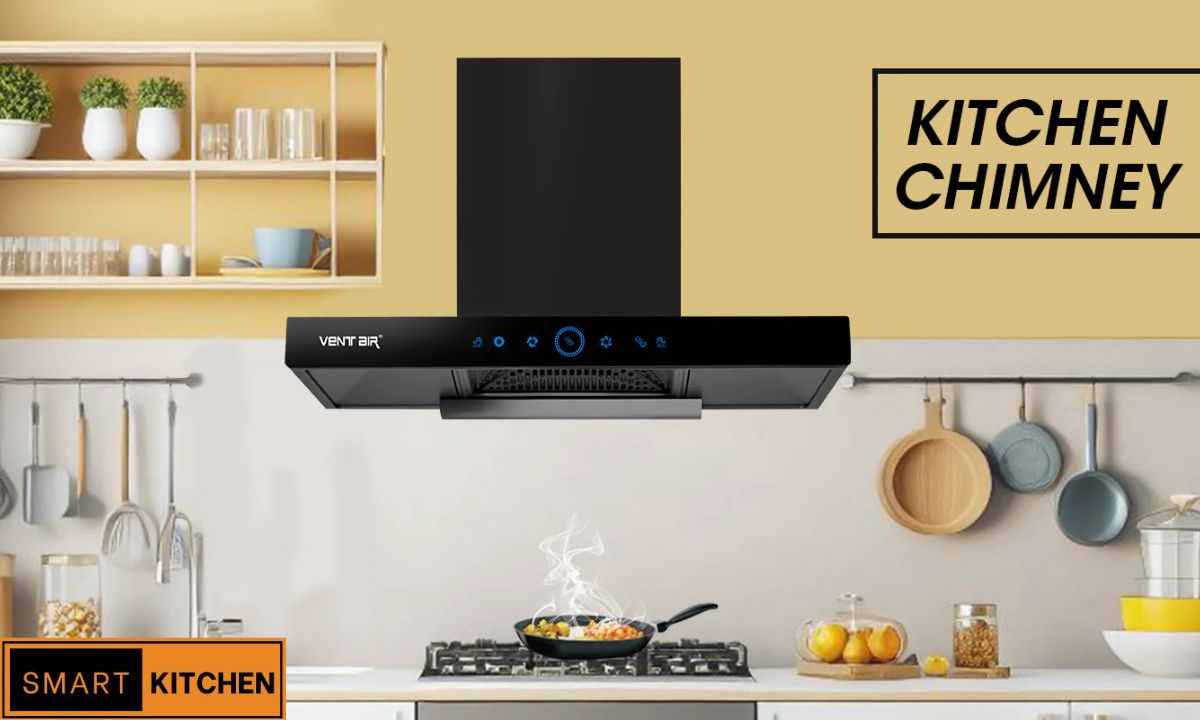
Pros and Cons of Installing a Kitchen Chimney
Before diving into models, let’s weigh the fundamental advantages and potential considerations.
Pros:
-
Eliminates Smoke & Odor: Instantly sucks away smoke and strong cooking smells, keeping your home fresh.
-
Removes Grease & Grime: Captures airborne oil particles, preventing them from settling on walls, ceilings, and furniture.
-
Improves Indoor Air Quality: Essential for families with allergies, asthma, or respiratory issues.
-
Reduces Kitchen Temperature: Vents out hot air, making your kitchen more comfortable, especially in summers.
-
Enhances Kitchen Aesthetics: Available in stunning designs (wall-mounted, island, built-in) that elevate your kitchen’s look.
-
Low Maintenance: Modern chimneys with auto-clean functions make upkeep remarkably easy.
Cons:
-
Initial Investment: A good quality chimney requires a significant upfront cost.
-
Installation Complexity: Requires professional fitting, especially for ducting models.
-
Operational Noise: Some models can be noisy at higher speeds (though silent technology is improving).
-
Regular Cleaning: Baffle filters need periodic washing, and charcoal filters in ductless models require replacement.
-
Space & Design Constraint: You need to plan for its placement, affecting kitchen layout.
The Decisive Factors: Your Blueprint to the Best Kitchen Chimney
Choosing the Best Kitchen Chimney isn’t one-size-fits-all. It depends on your cooking style, kitchen layout, and specific needs.
1. Suction Power (Measured in Cubic Meters per Hour – m³/hr):
This is the engine of your chimney. For heavy Indian cooking involving frying and tempering, opt for a minimum of 1000 m³/hr. For larger kitchens or frequent hosting, aim for 1200 m³/hr or higher. This ensures smoke is captured at its source, not after it has spread.
2. Filter Type: The Purification Core
-
Baffle Filters: The gold standard for Indian kitchens. Made of overlapping aluminum or stainless steel panels, they use centrifugal force to separate grease with high efficiency and are durable and easy to clean.
-
Cassette/Mesh Filters: Older technology with layered aluminum mesh. Less efficient than baffle filters and harder to clean.
-
Carbon Filters: Used only in ductless/recycler chimneys to absorb odors. They are add-ons and require replacement every 4-6 months.
3. Ducted vs. Ductless (Recycler):
-
Ducted Chimney: Vents impure air outside through a pipe. This is the most effective type, offering superior performance in removing heat, smoke, and grease. Always choose this if your kitchen has an external wall or ducting provision.
-
Ductless/Recycler Chimney: Filters air through baffle and carbon filters and recirculates it back into the kitchen. A compromise for kitchens where ducting is impossible. Performance is lower, and maintenance is higher.
4. Size & Design (Coverage):
Your chimney should be wider than your cooktop by at least 3 inches on each side to effectively capture rising fumes. Standard sizes are 60cm and 90cm. Designs include:
-
Wall-Mounted: Most common, installed against the wall above the stove.
-
Island Chimney: Suspended from the ceiling over a cooktop in a kitchen island, making a dramatic style statement.
-
Built-In/Hidden: Integrated into kitchen cabinetry for a seamless, minimalist look.
5. Control Panel & Features:
-
Push Button: Reliable and affordable.
-
Soft-Touch/Slide: Sleek, modern, and easy to clean.
-
Gesture Control: Wave your hand to operate—hygienic and futuristic.
-
Hot-Touch Baffles: Filters that repel oil, making cleaning effortless.
-
Auto-Clean: A technology that heats baffle filters to melt away grease into a collector.
Head-to-Head: Comparison of Top Kitchen Chimney Types
Top Contenders for the Title of “Best Kitchen Chimney”
Based on performance, reliability, and user reviews, here are some standout models (Remember to check latest prices and models on retail sites).
1. For Heavy-Duty Indian Cooking: Elica Vetro High Power
A powerhouse with suction often exceeding 1400 m³/hr, paired with efficient baffle filters. Its sleek glass design adds a touch of elegance. Perfect for large families and those who love to cook elaborate meals.
Check latest price and offers on Amazon
2. For Smart Kitchen Enthusiasts: Faber Hood Genius Glass
This chimney blends high suction power with innovative features like gesture control and an efficient auto-clean function. It’s a tech-savvy choice for those who want convenience and top-tier performance.
Explore the Faber Hood Genius series here
3. For Island Kitchen Owners: Glen 90 cm Island Chimney
Glen offers reliable island chimneys with strong motors and stylish stainless steel finishes. They provide the necessary performance and become a stunning centerpiece for your kitchen.
View Glen Island Chimney options
4. For Budget-Conscious Buyers: Sunflame Gamma Plus
Sunflame delivers commendable performance at an accessible price point. With good suction power and baffle filters, it offers tremendous value for everyday cooking needs without breaking the bank.
See Sunflame Gamma Plus details
5. For Hassle-Free Maintenance: Bosch 60 cm Wall Mounted
Known for German engineering and durability, Bosch chimneys often feature high-efficiency baffle filters and quiet operation. Their build quality and after-sales service are significant plus points.
Discover Bosch Kitchen Chimneys
(Note: These are illustrative recommendations. Always read recent user reviews and compare specifications before your final purchase.)
Installation & Maintenance: Protecting Your Investment
Even the Best Kitchen Chimney will underperform if installed incorrectly. Always hire a certified professional. For ducted models, ensure the ducting pipe is as short and straight as possible, with minimal bends, to maintain optimal airflow.
Maintenance is simple but non-negotiable:
-
Weekly: Wipe the outer surface with a mild detergent.
-
Every 2-3 Weeks (for regular cooking): Soak the baffle filters in warm, soapy water for 20 minutes. Gently scrub and rinse. Let them dry completely before refitting.
-
Auto-Clean Models: Run the auto-clean cycle as per instructions after intensive cooking sessions and empty the oil collector.
-
Ductless Models: Replace the carbon filters every 4-6 months.
Read More :- 10 Uses of Microwave Oven That Will Transform Your Kitchen Forever
Frequently Asked Questions (FAQ)
Q1. What is the ideal suction power for a 4-person family?
For a standard kitchen (10×10 ft) with regular Indian cooking, a chimney with 1000 – 1200 m³/hr suction power is ideal.
Q2. Can I install a ducted chimney if my kitchen doesn’t have an outside wall?
Yes, but it requires longer ducting (up to 30-35 feet is acceptable). Use rigid aluminum pipes, minimize bends, and ensure the motor power is high (>1200 m³/hr) to compensate for the pressure drop.
Q3. How noisy should I expect my chimney to be?
Modern chimneys operate between 50-65 dB on high speed, similar to a normal conversation. Look for models specifically advertised with “silent” or “quiet” technology if noise is a major concern.
Q4. Are chimney brands offering extended warranties reliable?
A longer warranty (like 5-10 years on the motor) often indicates the brand’s confidence in its product’s durability. It is a positive sign and provides peace of mind.
Q5. Is gesture control just a gimmick?
Not at all. It’s a highly practical feature. When your hands are covered in flour or oil, a simple wave to turn the chimney on/off or change speed is incredibly hygienic and convenient.
Q6. How much does professional installation cost?
Installation costs vary but typically range from ₹1000 to ₹3000, depending on the complexity (ducting work, wall type, etc.). Many brands include free basic installation.
Final Verdict: Your Kitchen Deserves the Best
Your kitchen is more than a room; it’s where memories are cooked, stories are shared, and love is served daily. Compromising on its air quality and cleanliness has downstream effects on your health, home maintenance, and even your willingness to experiment with new recipes.
The journey to find the Best Kitchen Chimney boils down to understanding your own needs, respecting the importance of suction power and filter type, and choosing a reputable brand that offers reliable service. It’s not an expense but a vital upgrade that pays for itself in comfort and well-being.
Don’t let another day of smoky, greasy air be your normal. Take the step today to reclaim your kitchen. Explore the models linked in this guide, compare their features, and invest in the fresh, clean, and joyful cooking environment you and your family truly deserve. Click on any of the affiliate links above to start your journey toward a breathable, beautiful kitchen now.
(Disclaimer: This article contains affiliate links. If you purchase a product through these links, we may earn a small commission at no extra cost to you. This helps support our work in providing well-researched content. We only recommend products we believe are genuinely valuable.)