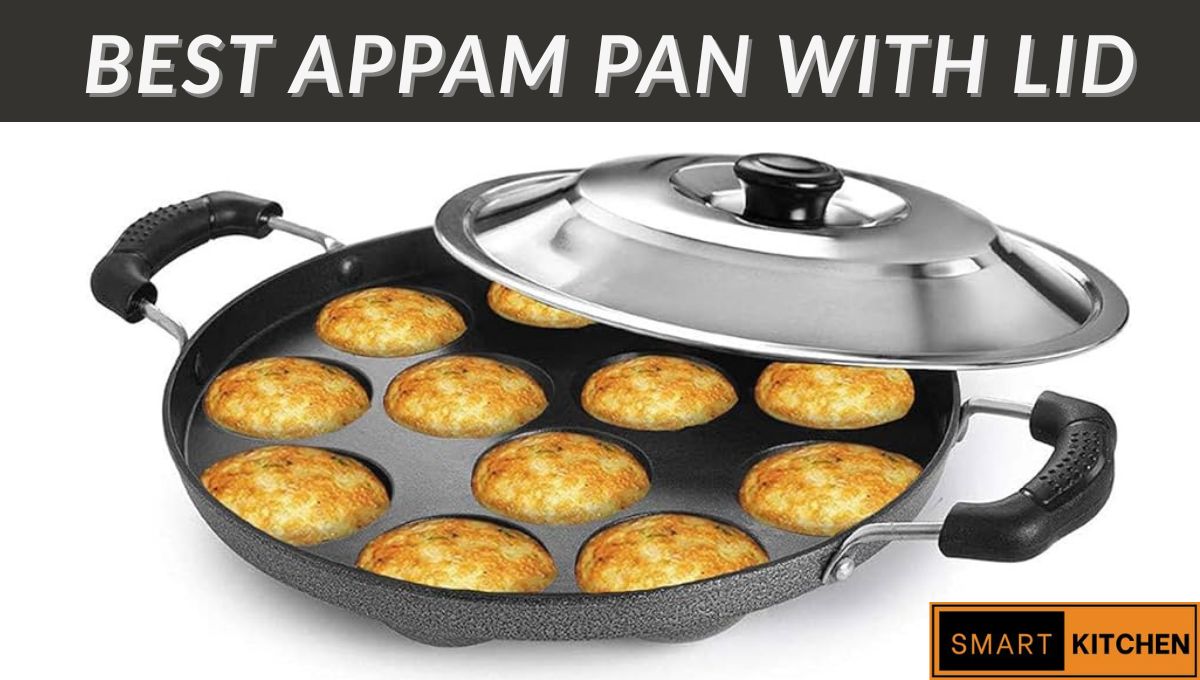
Best Appam Pan With Lid is the secret to unlocking the certain magic of a perfectly made appam. Imagine that soft, fluffy center, surrounded by a delicate, lacy crepe, ready to soak up a flavorful coconut milk stew or a spicy curry. It’s a South Indian breakfast staple that feels both humble and heavenly. But for many home cooks, achieving that restaurant-quality perfection can feel elusive. This isn’t just another piece of cookware; it’s the key to a world of consistently flawless, non-stick, and beautifully shaped appams right in your own kitchen. If you’ve ever battled with sticky batter, uneven cooking, or appams that tear apart, you know the struggle is real. This comprehensive guide is designed to end that struggle forever, walking you through everything you need to know to choose the perfect pan that will become a cherished part of your cooking arsenal.
Why the Right Appam Pan is a Game-Changer
You might wonder if a specialized pan is really necessary. Can’t you use a regular kadai or a non-stick skillet? While you can attempt it, the results are rarely the same. A dedicated appam pan is engineered for success.
-
The Perfect Shape: Appam pans have gently rounded, concave bottoms that are specifically designed to create the classic appam shape—thin at the edges and thick in the center. This unique geometry is impossible to replicate in a flat-bottomed pan.
-
Superior Non-Stick Properties: A high-quality appam pan boasts an advanced non-stick coating. This is crucial because appam batter is delicate and prone to sticking. A good non-stick surface ensures your appam slides out effortlessly, intact and beautiful, every single time.
-
The Crucial Role of the Lid: This is the most overlooked component. The Best Appam Pan With Lid creates a sealed, steamy environment. This steam is what cooks the top of the appam, giving it that soft, spongy, and perfectly cooked texture without the need to flip it. A loose-fitting or missing lid is a primary reason for raw, uncooked centers.
-
Even Heat Distribution: Inferior pans create hot spots, leading to appams that are burnt in some areas and raw in others. A well-made pan distributes heat evenly across its surface, ensuring uniform cooking and that signature golden-brown lace.
Key Features to Look For in the Best Appam Pan With Lid
Navigating the market can be confusing. Here are the critical factors to consider before you make your purchase.
1. Material and Build Quality
-
Cast Iron (Traditional): The classic choice. A well-seasoned cast iron appam pan offers unparalleled, even heating and incredible durability. It naturally becomes more non-stick over time. However, it is very heavy and requires meticulous seasoning and maintenance to prevent rust.
-
Non-Stick Aluminum: This is the most popular and user-friendly option for modern kitchens. Aluminum is an excellent conductor of heat, ensuring quick and even cooking. The non-stick coating (look for PFOA-free, granite, or ceramic coatings) makes it incredibly easy to use and clean. It’s lightweight and perfect for daily use.
-
Carbon Steel: A lighter alternative to cast iron that still offers great heat retention and can be seasoned for a natural non-stick surface. It’s durable but, like cast iron, requires a bit more care.
2. Non-Stick Coating
The quality of the non-stick coating is paramount. Avoid cheap, thin coatings that peel off after a few uses. Look for branded, PFOA-free coatings like Teflon Platinum or advanced ceramic/granite infusions. These are more durable, scratch-resistant, and safer for cooking. A high-quality coating means you can use very little oil, making your appams healthier.
3. The Lid: A Make-or-Break Component
Do not compromise on the lid. The Best Appam Pan With Lid will come with a tight-fitting, durable lid.
-
Material: A glass lid is ideal. It allows you to monitor the cooking process without releasing the precious steam, so you can see when the edges turn golden and the center is cooked through.
-
Fit: It should sit snugly on the pan to trap maximum steam, which is essential for achieving the soft, spongy center.
4. Handle Design and Comfort
The handle should be ergonomic, stay cool during cooking, and be securely attached. Long handles offer better leverage, especially when you need to swirl the batter to create the perfect shape. Heat-resistant handles are a must for safety and comfort.
5. Size and Cavity Count
Appam pans come with multiple cavities (typically 3, 4, or 5). A 4 or 5-cavity pan is the most efficient for a family, allowing you to cook multiple appams simultaneously. Consider the size of your stove burners to ensure the pan sits stably.
Top Contenders for the Title of the Best Appam Pan With Lid
Based on user reviews, brand reputation, and the features discussed, here are some of the top-rated options available today.
(As an Amazon Associate I earn from qualifying purchases. The following links are affiliate links, but I only recommend products I truly believe in.)
#1. Prestige Omega Deluxe Granite Non-Stick Appam Pan
Prestige is a household name in India, synonymous with trust and quality. The Omega Deluxe series features a heavy-duty granite coating that is highly scratch-resistant and exceptionally durable.
-
Why it’s a top pick: The granite non-stick coating is one of the best in the market, ensuring effortless food release and easy cleaning. It comes with a tight-fitting glass lid, which is a huge advantage. The heat-resistant handles make it safe and easy to use.
-
Best for: Anyone looking for a reliable, durable, and low-maintenance pan from a brand they can trust.

#2. Hawkins Futura Non-Stick Appam Pan
Hawkins is another iconic brand known for its pressure cookers and high-quality cookware. The Futura range offers a deep, heavy-gauge body that ensures superb heat distribution without hot spots.
-
Why it’s a top pick: The deep cavities are perfect for creating appams with a generous spongy center. The non-stick coating is robust and long-lasting. It’s a workhorse built to last for years.
-
Best for: Cooks who prioritize even heating and deep, well-formed appam cavities.

#3. Meyer Prestige Hard Anodized Appam Pan
For those seeking premium performance, hard-anodized cookware is a fantastic option. Meyer is a leader in this space. Hard-anodization makes the aluminum base twice as hard as stainless steel and creates a porous surface that bonds with the non-stick coating, making it incredibly durable.
-
Why it’s a top pick: This pan is built to last a lifetime. The non-stick performance is top-tier, and it distributes heat flawlessly. It often comes as part of a set, offering great value.
-
Best for: Serious home chefs who want a professional-grade, long-term investment.
Pro Tips for Using Your New Appam Pan Like a Master Chef
Owning the Best Appam Pan With Lid is half the battle won. Here’s how to use it to its full potential.
-
Season Your Pan (Especially if it’s Cast Iron): Before first use, lightly coat the cavities with oil and heat it gently. This initial seasoning enhances the non-stick properties.
-
The Batter is King: Ensure your appam batter is perfectly fermented. It should be light, airy, and of pouring consistency—not too thick, not too runny.
-
Low to Medium Heat is Key: Never use high heat. Appams require gentle, even cooking. Preheat your pan on a low-medium flame for a couple of minutes.
-
The Swirl Technique: Lightly grease the hot pan. Pour a ladleful of batter into the center of a cavity and immediately, in one swift motion, lift the pan and swirl it so the batter coats the sides and forms a thin layer, pooling in the center.
-
Cover and Cook IMMEDIATELY: This is the most important step. As soon as you finish swirling, cover the pan with the lid. Do not peek for at least 2-3 minutes. The trapped steam will cook the top to perfection.
-
Easy Removal: Once the edges are golden brown and pull away from the sides, and the center is cooked through, your appam is ready. Use a silicone or wooden spatula to gently lift it out. It should slide out easily.
Cleaning and Maintenance for Longevity
To ensure your Best Appam Pan With Lid lasts for years, proper care is essential.
-
Always Cool Down: Let the pan cool completely before washing.
-
Hand Wash Only: Despite being dishwasher-safe, hand washing with a soft sponge and mild detergent is highly recommended to preserve the non-stick coating.
-
Avoid Metal Utensils: Always use wooden, silicone, or nylon utensils to prevent scratches.
-
Store Carefully: Avoid stacking other heavy pots inside the appam pan cavities. If you must stack, place a soft cloth or paper towel in between.
Pros:
-
Guaranteed Authentic Shape: The specially designed concave cavities create the classic appam form—thin, lacy edges with a thick, soft center—impossible to achieve in regular pans.
-
Foolproof Cooking: A high-quality non-stick surface and even heat distribution prevent sticking and burning, turning a tricky recipe into a simple, repeatable process.
-
Efficiency: Multi-cavity pans allow you to cook 4-5 appams simultaneously, saving significant time compared to cooking one at a time in a skillet.
-
Superior Texture: The tight-fitting lid traps steam, which is the critical element for cooking the top of the appam, yielding the perfect spongy, pillowy texture without flipping.
-
Long-Term Value: A well-made pan from a trusted brand is a one-time investment that lasts for years, elevating your home cooking and expanding your culinary repertoire.
Cons:
-
Single-Tasker: It is a specialized piece of cookware primarily used for appams and similar batters (like pudla or chickpea pancakes). It offers limited versatility compared to a standard skillet.
-
Storage Space: Due to its unique shape and often multiple cavities, it can be bulky and awkward to store in crowded kitchen cabinets.
-
Maintenance for Certain Types: While non-stick versions are easy, traditional cast iron pans require careful seasoning and drying to maintain their surface and prevent rust.
-
Upfront Cost: A high-end, durable appam pan represents a higher initial cost than attempting to use a regular pan you already own (even with inferior results).
-
Learning Curve: First-time users may need 1-2 attempts to master the batter-swirling technique and perfect the heat level for their specific stove.
Best Appam Pan With Lid – Materials & Brands
This table breaks down the key options to help you find the perfect match for your kitchen style.
| Feature | Cast Iron (Traditional) | Non-Stick Aluminum (Modern Favorite) | Hard-Anodized (Premium) | Carbon Steel (Pro Alternative) |
|---|---|---|---|---|
| Best For | Purists, those who value tradition and incredible heat retention. | Everyday home cooks seeking convenience, ease, and quick results. | Serious cooks wanting commercial-grade durability and performance. | Those who like cast iron’s benefits but want a lighter pan. |
| Heat Distribution | Excellent. Heats slowly but evenly, holds heat superbly. | Very Good. Heats quickly and evenly. | Superior. Extremely even heating; eliminates hot spots. | Excellent. Heats quickly and retains heat well. |
| Non-Stick Property | Develops naturally with seasoning. Gets better over time. | Inherent from factory-applied coating (PFOA-free, granite, etc.). | Inherent from a coating bonded to a ultra-durable surface. | Requires seasoning like cast iron to become non-stick. |
| Maintenance | High. Must be seasoned, hand-washed, and dried thoroughly to prevent rust. | Low. Easy hand wash. Avoid metal utensils and high heat to protect coating. | Low. Easy hand wash. Very resistant to scratches and wear. | Medium. Requires initial and occasional seasoning. Hand wash and dry. |
| Weight | Very Heavy. Can be cumbersome to lift and swirl. | Light. Easy to handle, lift, and swirl for perfect shape. | Medium-Heavy. Substantial feel but manageable. | Medium. Lighter than cast iron, but has a solid heft. |
| Durability | Lifetime. Virtually indestructible if maintained properly. | Moderate-High. Lasts several years with proper care; coating can degrade. | Very High. Extremely resistant to scratches, dents, and corrosion. | Lifetime. Extremely durable with proper care. |
Conclusion: Your Journey to Perfect Appams Starts Now
The quest for the soft, lacy, and utterly divine appam ends not with a secret recipe, but with the right tool. Investing in the Best Appam Pan With Lid is a decision that will pay for itself in countless delicious, stress-free breakfasts and dinners. It transforms a traditionally tricky dish into an accessible, everyday joy. Whether you choose the trusted reliability of Prestige, the robust build of Hawkins, or the premium performance of a hard-anodized pan, you are taking a definitive step towards culinary excellence.
Stop compromising. Bring home the tool that guarantees perfection and watch as your family and friends marvel at your appam-making skills. Click the links below to explore these top-rated pans and choose the one that’s perfect for your kitchen.
Read More :- Best Multi-Purpose Food Processors: The Ultimate Guide for Effortless Cooking (2025)
Frequently Asked Questions (FAQ)
Q1: Can I use a regular non-stick kadai instead of an appam pan?
A: While you can attempt it, the results will not be authentic. A regular kadai has a flat or slightly curved bottom that won’t create the classic appam shape with a thick center and thin, lacy edges. The dedicated cavities of an appam pan are designed specifically for this purpose.
Q2: Is a cast iron or non-stick appam pan better?
A: This depends on your cooking style.
-
Cast Iron: Better heat retention, incredibly durable, and becomes naturally non-stick when seasoned. Requires more maintenance (seasoning, drying) and is very heavy.
-
Non-Stick Aluminum: Lighter, ready to use out of the box, very easy to clean, and requires less oil. The coating can wear out over several years with improper care. For most home cooks, a high-quality non-stick pan is the more convenient and effective choice.
Q3: Why is the lid so important for an appam pan?
A: The lid is non-negotiable. It traps the steam generated by the cooking batter. This steam is what cooks the top surface of the appam, giving it its characteristic soft, spongy, and pillowy texture. Without a lid, you would have to flip the appam, and you would lose that essential texture.
Q4: How many cavities should I look for in an appam pan?
A: A 4 or 5-cavity pan is ideal for a family of 3-4 people. It allows you to cook a full batch quickly. A 3-cavity pan might be sufficient for a couple or small family but will take longer to cook for a larger group.
Q5: My appam is sticking to the pan. What am I doing wrong?
A: Several factors could be at play:
-
The pan’s non-stick coating may be damaged or of low quality.
-
The pan was not preheated properly before adding the batter.
-
You are using too high a heat.
-
The batter is too thick.
-
You are not using a small amount of oil/ghee to grease the pan, even if it’s non-stick.
Q6: Are these pans compatible with induction stoves?
A: Most modern non-stick appam pans from brands like Prestige and Hawkins are induction-compatible. However, you must always check the product description or the base of the pan for an induction symbol to be sure. Cast iron works on all stoves, including induction.