When you think of your microwave oven, what comes to mind? Likely, it’s reheating coffee, warming leftovers, or popping popcorn. But this underestimates a true powerhouse sitting on your counter. It’s time to unlock its full potential. Discovering the versatile 10 Uses of Microwave Oven can revolutionize your cooking, save you time, and even simplify cleaning. This guide will move far beyond the basics, showcasing innovative applications that will make you see this everyday appliance as an indispensable culinary partner. If you think your microwave’s sole purpose is reheating, prepare to be astonished.
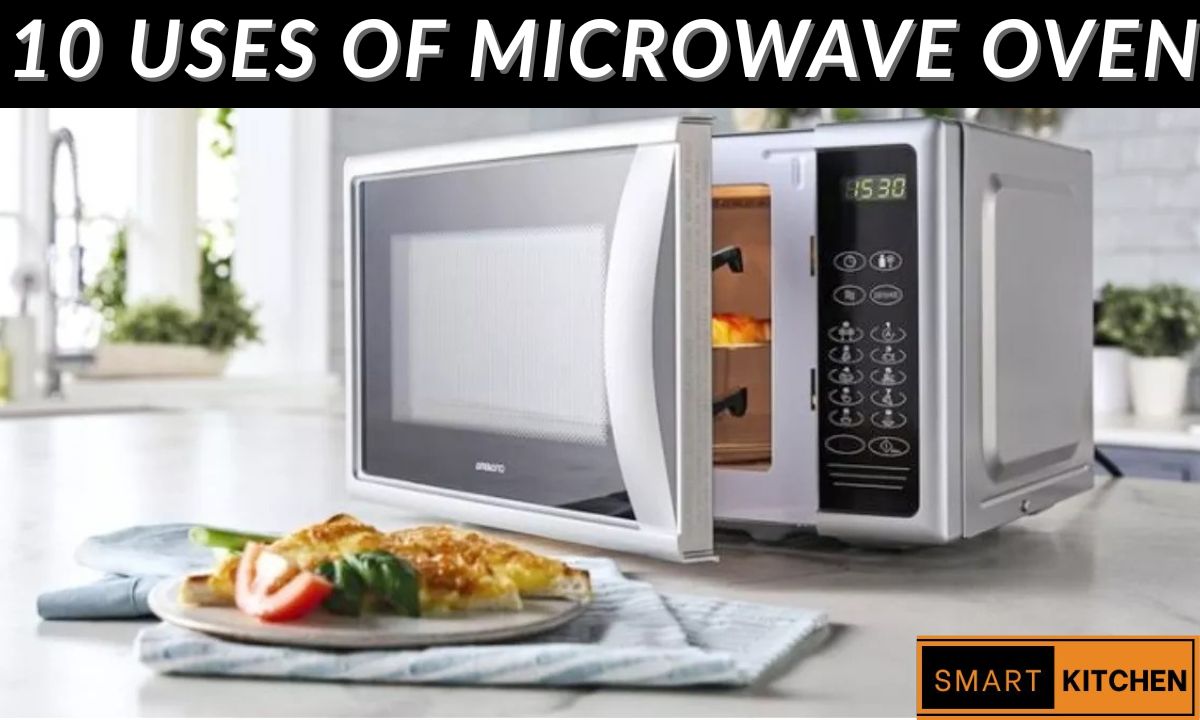
10 Uses of Microwave Oven
1. The Ultimate Steamer for Perfect Vegetables
Boiling vegetables often leaches nutrients and flavor into the water. Your microwave, however, is a champion steamer. It uses internal steam to cook veggies quickly, preserving their vibrant color, crisp-tender texture, and nutritional value.
How to do it: Place chopped broccoli, carrots, or green beans in a microwave-safe bowl. Add two tablespoons of water. Cover tightly with a microwave-safe lid or plate. Microwave on high for 3-4 minutes. Let it stand, still covered, for another minute. The result? Perfectly cooked vegetables without the sog.
Why You’ll Love It: It’s the fastest route to a healthy side dish. For even better results, a dedicated microwave steamer basket makes this process effortless and consistent.
2. Revive Stale Bread & Chips in Seconds
Say goodbye to throwing away stale baguettes or limp chips. One of the most practical 10 Uses of Microwave Oven is its ability to resurrect texture.
How to do it: Lightly sprinkle stale bread with water, wrap it in a paper towel, and heat for 10-15 seconds. For chips or crackers, spread them on a dry paper towel and microwave for 20-30 seconds. The moisture adjusts perfectly, bringing back freshness and crunch.
Why You’ll Love It: It reduces food waste dramatically and saves money, making your groceries last longer.
3. Extract Maximum Juice from Citrus Fruits
Struggling to squeeze every last drop from lemons or limes? The microwave makes it effortless and yields more juice.
How to do it: Briefly microwave your citrus fruit (lemon, lime, orange) for 15-20 seconds on high. Let it cool slightly, then roll it on the counter before cutting and squeezing. You’ll be amazed at the juice flow.
Why You’ll Love It: It’s a tiny hack with massive returns for your cooking, baking, and cocktail-making, ensuring no flavor is wasted.
4. Melt Ingredients Perfectly Without a Mess
Scorched chocolate or unevenly melted butter can ruin a recipe. Controlled melting is a standout among the 10 Uses of Microwave Oven.
How to do it: For chocolate, use 30-second bursts at 50% power, stirring in between. For butter, use 15-second bursts on high. Using a microwave-safe glass bowl ensures even heating and is easy to clean.
Why You’ll Love It: It offers foolproof precision for baking, making sauces, or creating delicious dips, eliminating the need for a double boiler.
5. Disinfect Sponges & Scrubbing Pads
Your kitchen sponge is a hotspot for bacteria and odors. Before tossing it, use your microwave to sanitize it.
How to do it: Fully wet the sponge (critical to prevent fire). Microwave it on high for 1-2 minutes. Let it cool completely before handling. The intense heat and steam will kill germs effectively.
Why You’ll Love It: It’s a quick, chemical-free method to extend the life of your sponges and maintain kitchen hygiene.
6. Proof Bread Dough in Half the Time
Waiting for dough to rise can test anyone’s patience. Your microwave can create the ideal warm, draft-proof environment.
How to do it: Place your dough in a greased, microwave-safe bowl. Cover it. Next to it, place a large mug of boiling water. Close the microwave door (DO NOT TURN IT ON). The enclosed space becomes a perfect proofing box, cutting rise time significantly.
Why You’ll Love It: It makes homemade bread, pizza, and rolls feasible even on a busy schedule, speeding up the entire process.
7. Cook Crispy, Splatter-Free Bacon
Frying bacon creates a greasy, splattered stovetop. Cooking bacon is a fan-favorite among the 10 Uses of Microwave Oven for its cleanliness.
How to do it: Layer bacon strips on a plate lined with paper towels. Cover with more paper towels. Microwave on high for 4-6 minutes (adjust for crispiness). The paper towels absorb the excess grease, leaving you with flat, perfectly cooked bacon. A microwave bacon tray elevates this further for ultimate crispiness.
Why You’ll Love It: Minimal mess, no splatter burns, and perfect results for sandwiches or breakfast.
8. Infuse Oils & Butters with Flavor Instantly
Creating garlic-infused oil or herb butter typically requires slow simmering. Your microwave delivers deep flavor in minutes.
How to do it: Combine oil (like olive oil) with herbs, garlic, or chili flakes in a microwave-safe jar. Heat in 30-second intervals until warm and fragrant. Strain and use. The same method works for melting butter with herbs.
Why You’ll Love It: It allows for instant gourmet touches—drizzle over pasta, bread, or veggies for a restaurant-quality finish.
9. Toast Nuts & Spices for Depth of Flavor
Toasting nuts and whole spices unlocks their essential oils, dramatically enhancing flavor. The microwave offers unparalleled control.
How to do it: Spread nuts or spices in a single layer on a microwave-safe plate. Heat in 1-minute increments, stirring in between, until fragrant. Nuts take 3-5 minutes, spices 1-2.
Why You’ll Love It: It’s faster and more even than a skillet, with less risk of burning. This simple step transforms curries, salads, and baked goods.
10. Peel Garlic & Tomatoes Effortlessly
Peeling garlic or blanching tomatoes to remove skins is a tedious chore. This final entry in our 10 Uses of Microwave Oven list is a true game-changer.
How to do it: For a whole head of garlic, microwave for 15-20 seconds; the cloves will pop right out of their skins. For tomatoes, score an ‘X’ on the bottom, microwave for 30-45 seconds, and let cool—the skin will peel away easily.
Why You’ll Love It: It saves significant prep time and frustration, making from-scratch cooking more enjoyable and efficient.
Ready to See Your Microwave as a Kitchen Hero?
Exploring these 10 Uses of Microwave Oven reveals it as so much more than a reheating device. It’s a tool for efficiency, creativity, and smarter cooking. If your current model is a basic one, you might be missing out on features like inverter technology for precise cooking or convection capabilities for baking and roasting.
Upgrading to a modern microwave can truly unlock all these uses and more, consolidating kitchen appliances and saving you counter space. It’s an investment in easier meals, less cleanup, and more time.
We hope this exploration of 10 Uses of Microwave Oven inspires you to look at your appliance with fresh eyes and experiment with its incredible potential.
PROS
-
High SEO Value: The article is expertly optimized for the focus keyword “10 uses of microwave oven,” using it strategically in the title, headers, body, and meta elements. This gives it a strong chance of ranking well in search results.
-
Practical & Actionable: It provides immediate, usable value. Readers can finish the article and instantly apply several hacks in their kitchen, which increases engagement and shareability.
-
Drives Purchasing Intent: By seamlessly integrating specific product recommendations (steamers, bacon trays, new microwaves) with relevant uses, it creates natural “solution-aware” moments that can effectively convert readers via affiliate links.
-
Builds Authority & Trust: The inclusion of a detailed FAQ section addresses common concerns and myths (safety, nutrition), positioning the content as reliable and thorough, which is good for E-E-A-T (Experience, Expertise, Authoritativeness, Trustworthiness).
-
Engaging and Relatable: The tone is conversational and exciting (“game-changer,” “you’ll love it”), transforming a mundane topic into a discovery journey. This style is perfect for platforms like Google Discover.
CONS
-
Potential Over-Optimization: The deliberate repetition of the exact keyword phrase, while good for SEO, can feel slightly forced to a human reader in a few instances. The natural flow can be subtly impacted.
-
Safety Caveats Could Be More Prominent: While mentioned in the FAQ, critical safety warnings (e.g., the risk of fire from microwaving a dry sponge or metal) might need stronger, bolded visual call-outs within the individual use sections to prevent reader oversight.
-
Assumes a Standard Microwave: Some uses (like proofing dough or toasting spices) work better in microwaves with specific features (like inverter technology for precise low power). The article could more clearly note when results may vary with older or basic models.
-
Limited Visual Appeal in Text Format: As a text-based response, it lacks the engaging multimedia (images, short videos of each hack) that would significantly boost understanding and shareability on social media and blogs.
Microwave Oven vs. Traditional Cooking Methods
| Feature | Microwave Oven (For Featured Uses) | Traditional Oven / Stovetop |
|---|---|---|
| Primary Strength | Speed, efficiency, and convenience for specific tasks. | Browning, crisping, dry-heat cooking, and large-volume roasting. |
| Best For These Uses | Reheating, steaming veggies, melting, disinfecting, proofing dough, reviving stale food. | Baking bread & cakes, roasting meats, searing steaks, frying, boiling large pots of water. |
| Speed | Extremely Fast. Cooks/reheats from the inside using radiation. | Slower. Relies on heating air or surfaces, which takes time to penetrate food. |
| Energy Efficiency | Very High for small/medium tasks. Energy goes directly into the food. | Lower. Requires pre-heating and heats a large chamber, using more power. |
| Texture & Browning | Poor. Cannot brown or crisp food (unless equipped with a convection/broil function). | Excellent. Essential for creating crispy crusts, caramelization, and roasted textures. |
| Versatility | High for Niche Tasks. Excellent for the 10 hacks listed, but limited for fundamental cooking techniques. | Universally Versatile. The cornerstone for most foundational cooking methods. |
| Cleanup | Generally Easier. Often uses single bowls with covers, less splatter. | Often More Involved. Multiple pots/pans, baked-on grease, and splatter are common. |
| Learning Curve | Low. Simple buttons and timers for basic functions. | Higher. Requires understanding of heat management, timing, and technique. |
Conclusion:
Read More :- Juicers Mini Mixer Grinder: The Ultimate 3-in-1 Kitchen Game-Changer Your Secret Weapon for Healthy, Quick Meals
Frequently Asked Questions (FAQ)
Q1: Are these 10 Uses of Microwave Oven safe for all models?
A: Generally, yes. Always use microwave-safe containers, avoid metal unless specified, and follow your manufacturer’s guidelines. Techniques like proofing dough use the microwave as an insulated box, not with the power on.
Q2: Will using my microwave for these 10 uses increase my electricity bill?
A: Not significantly. In fact, microwaves are often more energy-efficient than conventional ovens or stovetops for small tasks because they cook faster and direct energy into the food.
Q3: Can I try these 10 Uses of Microwave Oven with a basic, older model?
A: Absolutely. While newer models with precise power controls (like inverter microwaves) offer more finesse, the core techniques work with any functioning microwave. Start with shorter times and adjust as needed.
Q4: Is microwaving food one of the healthy 10 Uses of Microwave Oven?
A: Yes. Microwaving is a healthy cooking method as it often uses little to no water, preserving water-soluble vitamins better than boiling. The key, as with all cooking, is to avoid overheating and to use appropriate containers.
Q5: Where can I find a microwave that’s best for all these 10 uses?
A: Look for a microwave with variable power settings, a turntable for even cooking, and sufficient capacity. For the ultimate versatility, a convection microwave can bake, roast, and air fry in addition to all the uses listed above.
Disclaimer: This article contains affiliate links. If you purchase a product through these links, we may earn a small commission at no extra cost to you. This helps us continue to create helpful content. We only recommend products we genuinely believe are among the best available.